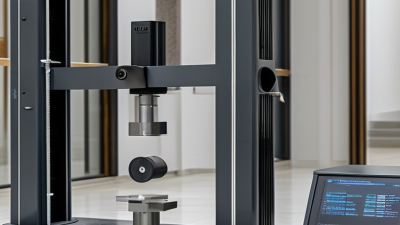
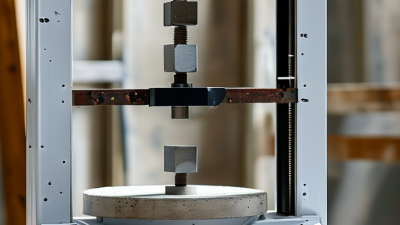
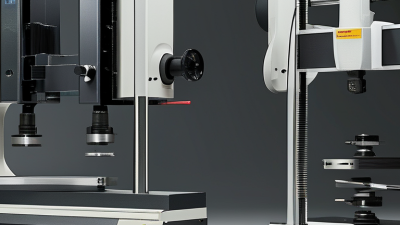
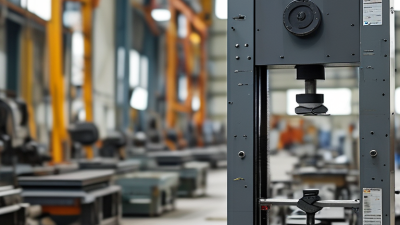
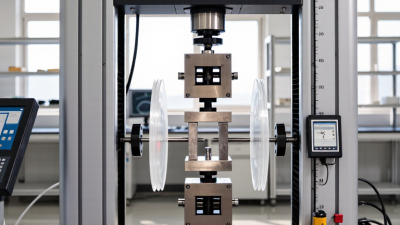
Concrete strength is more than a number on a test report. It helps engineers assess whether a mix can carry its intended loads and whether production remains consistent. A concrete compression testing machine applies a controlled load to a prepared cylinder or cube until it fails. The crack pattern, peak load, specimen dimensions, and test conditions all matter. A result without sound testing practice can mislead.
ASTM C39/C39M specifies procedures for determining the compressive strength of cylindrical concrete specimens. ACI 214R explains how test results can be analyzed to evaluate strength variation and testing quality. These standards show why a reliable concrete compression testing machine needs more than a powerful frame: accurate force measurement, stable loading, suitable platens, and regular verification are essential. In a busy laboratory, even small habits matter—cleaning the bearing surfaces, checking specimen alignment, and recording the failure load promptly. Details can slip. That deserves attention.
A machine cannot guarantee good concrete, and a single result cannot explain every cause of failure. Sampling, curing, specimen preparation, and operator technique also influence the outcome. For that reason, readers should verify equipment specifications against the applicable test method and consult qualified laboratory personnel. An attributable, verifiable quotation from a named testing expert was not provided, so inserting one here would risk misrepresenting someone’s views. The standards offer a firmer starting point: dependable decisions begin with dependable measurements.
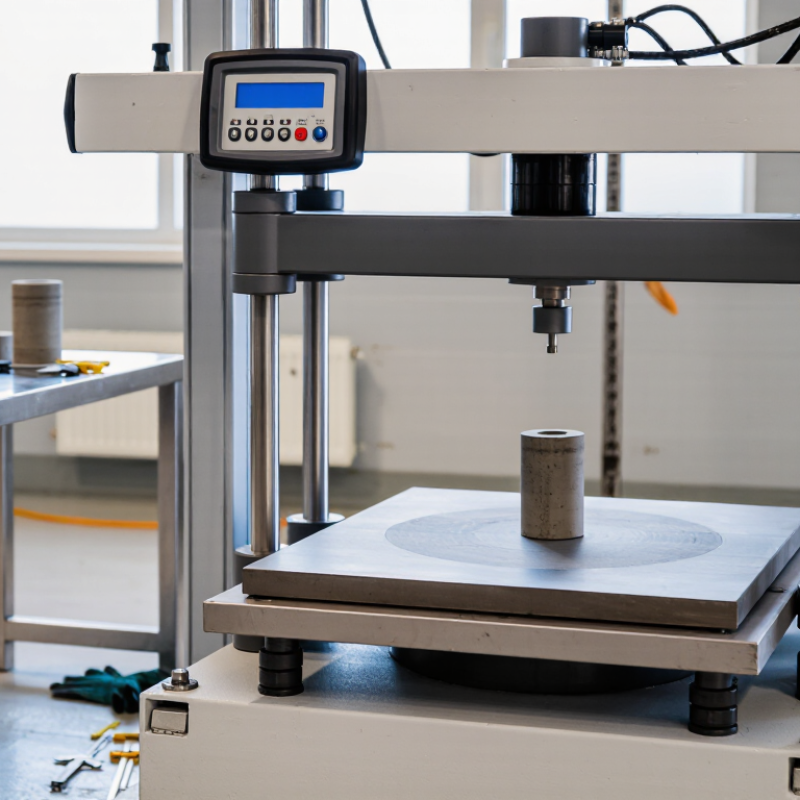
A concrete compression testing machine measures how much compressive force a concrete specimen can withstand before it fails. A prepared cylinder is centered between hardened platens, then loaded at a controlled rate. The machine records the peak force; dividing that force by the specimen’s measured cross-sectional area gives compressive strength. That number helps engineers assess concrete quality, compare batches, and check whether specified strength has been reached. It is a measurement, not a complete verdict on a structure.
ASTM C39/C39M describes the test method for cylindrical concrete specimens, including requirements for loading and reporting results. The National Ready Mixed Concrete Association’s CIP 35 guidance notes that strength tests commonly use the average of at least two cylinders from the same sample at a specified age, often 28 days. A compression tester therefore needs suitable capacity, calibrated force measurement, and platens that keep loading aligned. A small setup error matters. Even careful testing cannot erase differences caused by sampling, curing, end preparation, or handling; those details deserve honest attention.
Tips: Check calibration records and inspect platen cleanliness before testing. Measure each specimen, center it carefully, and record curing conditions with the result. If one cylinder breaks oddly, do not hide it. Review the procedure and document the exception. A machine can produce precise readings, but only a sound test process makes them useful.
A concrete compression testing machine applies a controlled load to a concrete specimen until it fails. The maximum load, divided by the specimen’s loaded area, gives its compressive strength.
Illustrative example: A typical concrete mix may gain strength as it cures. Actual results vary with mix design, materials, curing conditions, and test procedures; testing is needed to determine a specimen’s measured strength.
A concrete compression testing machine measures how much load a hardened concrete specimen can withstand before failure. In laboratory practice, technicians usually place a cured cube or cylinder between two flat steel platens. The specimen must stand centrally. Even a slight tilt can create uneven stress and distort the result.
The machine uses a hydraulic actuator to move one platen against the sample. A load cell records the applied force, while a control system maintains a steady loading rate. Pressure rises gradually, and small cracks may appear along the sides of the concrete. The display shows the force in real time. Then, the specimen crushes, splits, or forms a diagonal shear failure.
The technician divides the peak load by the specimen’s loaded area to calculate compressive strength. Accurate results depend on more than the machine itself. The sample’s age, moisture condition, surface flatness, and alignment all matter. Calibration should be checked regularly, and damaged platens require attention. The equipment is precise, but it is not infallible. A rushed setup can weaken confidence in the data. I have seen clean-looking tests reveal hidden preparation errors. That is why operators record curing details, loading speed, failure patterns, and unusual sounds during each test. Reliability grows from careful procedures, not numbers alone.
A concrete compression testing machine measures how much load a hardened specimen can withstand before failure. Under ASTM C39/C39M, technicians test cylinders or cores and calculate compressive strength from peak load divided by loaded area. The result is commonly reported in megapascals or pounds per square inch.
The 28-day result remains a widely used reference point, according to NRMCA Concrete in Practice 35. Yet project specifications may also require seven-day or later-age testing. The machine records the maximum force and reveals the failure pattern, such as vertical cracking, splitting, or crushing. These details help technicians identify weak curing, poor alignment, or surface defects. That distinction matters.
With strain gauges or extensometers, the setup can also support elastic modulus testing under ASTM C469. However, modulus is not automatically measured during every strength test. ACI 318-19 uses strength acceptance criteria based on consecutive test results.
For concrete rated at 5,000 psi or less, one result should not fall more than 500 psi below the specified strength.
For higher-strength concrete, the limit is 10 percent.
Small errors matter. Uneven capping, a damp surface, or slight platen misalignment can change the result. The machine measures structural resistance, not durability, permeability, or long-term cracking. That limitation deserves attention.
A reliable report should include specimen age, dimensions, curing history, loading rate, and failure observations.
Concrete can look solid while hiding weak internal zones. Compression testing reveals how much load a cured specimen can withstand before failure. This evidence helps engineers compare actual strength with the project specification. It also supports decisions about structural safety, curing quality, and material consistency.
A trained technician prepares standard cubes or cylinders, checks their dimensions, and records the curing conditions. The compression testing machine then applies pressure at a controlled rate. The maximum load is converted into compressive strength. Accurate results depend on proper alignment, machine calibration, and careful surface preparation. Small cracks, uneven ends, or poor sampling can change the result. Details matter.
Tips: Label every specimen clearly. Record its age, mix information, and curing temperature. Keep the testing area clean and inspect the equipment regularly. Follow recognized testing standards and retain the original test records. Never treat one unusually high result as proof of perfect quality. It may reflect sampling variation. Even careful testing has limits, and experienced professionals should investigate inconsistent results instead of ignoring them.
Concrete compression testing machines are used wherever teams need evidence that concrete can carry its intended load. Ready-mix producers test samples from different batches to monitor consistency. A technician may measure a cured cylinder, center it between the platens, and apply a controlled load until it fails. The recorded strength helps identify variation before concrete is used in a larger pour.
Precast plants test products such as beams, panels, and pipes before shipment. On bridges, tunnels, roads, and high-rise projects, contractors and testing laboratories use results to check whether specified strength targets have been met. University and independent laboratories also rely on these machines for research, mix comparisons, and quality checks. Small differences matter. Sample dimensions, curing conditions, and test timing can all affect the result, so they need careful recording.
A machine is only part of the process. Regular calibration, clean bearing surfaces, and trained operators help make readings dependable. Results may guide decisions about a batch or a construction stage, but they do not explain every cause of weak concrete. That part takes investigation. In practice, a cracked specimen can raise useful questions about mixing, transport, placement, or curing, though the test alone cannot answer them.
| Industry or Sector | Typical Project or Application | Specimen Tested | Why Compression Testing Is Used | Relevant Test Standard |
|---|---|---|---|---|
| Building construction | Quality control for cast-in-place foundations, columns, beams, and floor slabs | Concrete cylinders sampled from a batch | Measures compressive strength to check whether concrete meets the specified project requirements. | ASTM C39/C39M; EN 12390-3 |
| Ready-mixed concrete production | Routine production quality control and verification of concrete mix performance | Standard-cured concrete cylinders or cubes | Provides strength results for production monitoring, mix assessment, and acceptance procedures. | ASTM C39/C39M; EN 12390-3 |
| Roads, bridges, and other infrastructure | Strength assessment during construction or investigation of existing concrete structures | Concrete cylinders or drilled cores taken from a structure | Helps evaluate concrete strength for construction quality checks or structural assessment. | ASTM C39/C39M for cylinders; ASTM C42/C42M for cores |
| Precast concrete manufacturing | Production checks for precast components such as panels, pipes, and beams | Concrete cylinders or cubes representing the production concrete | Checks whether the concrete has reached the required strength for production control and specified handling or release requirements. | ASTM C39/C39M; EN 12390-3 |
| Concrete materials testing laboratories | Independent testing, mix-design studies, and project compliance testing | Concrete cylinders, cubes, or cores, depending on the test program | Applies a controlled compressive load so the laboratory can determine specimen strength and report test results. | ASTM C39/C39M; ASTM C42/C42M; EN 12390-3 |
| Concrete masonry and block production | Quality testing of concrete masonry units used in walls and related construction | Concrete masonry units or prepared portions of units, as specified by the method | Determines compressive strength as part of unit evaluation and product quality control. | ASTM C140/C140M |
| Construction-site quality assurance | Verification of field-sampled concrete used in building or infrastructure work | Field-made concrete cylinders; preparation and curing follow the applicable procedure | Supports project acceptance checks by comparing measured strength with the specified requirements. | ASTM C31/C31M for making and curing field specimens; ASTM C39/C39M for compression testing |