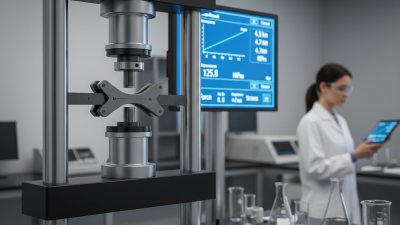
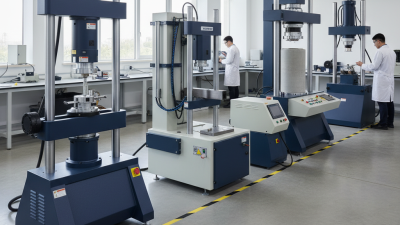
What Are the 2026 Top Concrete Compression Testing Machines?
Choosing among the 2026 top concrete compression testing machines requires more than comparing maximum load ratings. A reliable concrete compression testing machine must deliver stable force, accurate displacement control, and repeatable results under demanding laboratory conditions. It should also support recognized procedures, such as ASTM C39 or EN 12390-3, depending on the testing environment. Small details matter. Platen alignment, frame stiffness, oil temperature, and specimen centering can affect every result.
This introduction examines machines from a practical and technical perspective. It considers load capacity, calibration systems, operating software, safety features, maintenance access, and data reporting. Experienced technicians often notice weaknesses that product brochures omit. A machine may advertise powerful performance, yet struggle with uneven cylinders, frequent software updates, or limited local support. That matters.
The ranking should not be treated as universal. A materials laboratory testing high-strength concrete may need a different system from a construction site or university workshop. Results vary. Budget, specimen size, testing frequency, and available floor space all influence the final choice. Some comparisons may also remain imperfect because manufacturers publish different performance data. This guide therefore focuses on verifiable specifications, user experience, and long-term reliability rather than marketing claims alone. Readers should confirm current certifications, calibration records, warranty terms, and regional service availability before purchasing. A strong machine is valuable, but disciplined testing practices remain equally important.
Definition and Role of Concrete Compression Testing Machines
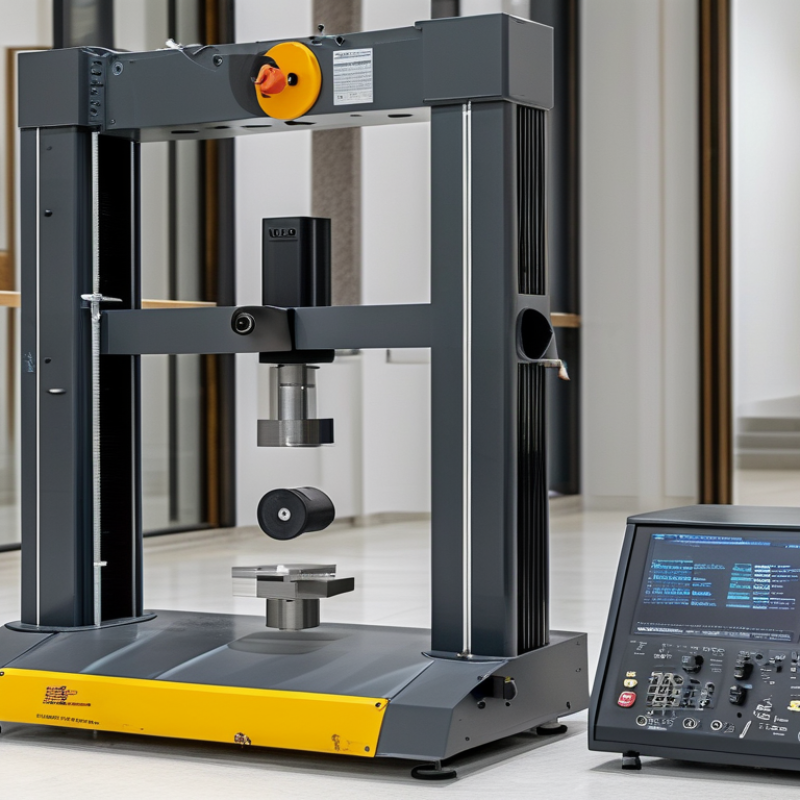
Concrete compression testing machines measure the maximum load a hardened specimen withstands before failure. They convert force into compressive strength, usually reported in megapascals. This makes them essential for verifying concrete quality, mix consistency, and structural compliance.
The scale is substantial. The Global Cement and Concrete Association reports that roughly 30 billion tonnes of concrete are used worldwide each year. The U.S. Geological Survey estimated global cement production at about 4.1 billion tonnes in 2023. Such volumes make dependable testing more than a laboratory routine.
A strong 2026 machine should provide stable loading, accurate force measurement, rigid platens, and clear digital records. ASTM C39/C39M guides cylinder testing, while EN 12390-3 defines testing methods for hardened concrete. Calibration must match recognized requirements, not simply the equipment display.
Small details matter. Specimen centering affects stress distribution. Uneven end surfaces can distort results. Operators should inspect platen cleanliness, loading rate, and sensor calibration before each test series. A machine may appear precise while producing questionable data. That limitation deserves attention.
In practical laboratories, automatic systems reduce reading errors and improve repeatability. However, automation cannot correct poorly prepared specimens or careless sampling. The best equipment supports professional judgment; it does not replace it. For 2026 selection, accuracy, traceability, maintenance access, and safety should matter more than impressive screen features.
Key Performance Criteria for Selecting a 2026 Testing Machine
What Are the 2026 Top Concrete Compression Testing Machines?
Key Performance Criteria for Selecting a 2026 Testing Machine
Choosing a top concrete compression testing machine begins with accuracy, not maximum force. The frame must remain rigid under repeated loading. A stable load cell should measure force consistently across the working range. Small details matter. Platen alignment, smooth hydraulic control, and clear specimen centering reduce testing errors. For common cube and cylinder samples, the machine should provide suitable capacity without wasting laboratory space.
Daily testing also reveals practical differences. Operators need readable displays, simple controls, and automatic loading rates. The software should record peak force, specimen size, failure time, and calculated strength. Exportable reports help engineers trace results during audits or project reviews. Safety shields, emergency stops, and controlled pressure release are essential features. Calibration records must be easy to access and linked to each test.
A reliable machine should match recognized testing procedures and support documented verification. Ask whether the supplier provides calibration guidance, technical training, and reachable service support. In my experience, neglected maintenance causes more trouble than weak specifications. Oil leaks, worn seals, and misaligned platens can quietly change results. Not just peak force. I still think many selection decisions focus too heavily on automation. A highly automated system can become difficult to diagnose when sensors drift or software fails. The better choice balances repeatability, usability, maintenance access, and long-term evidence from real testing environments.
Top Concrete Compression Testing Machines for 2026
Top Concrete Compression Testing Machines for 2026 should be judged by accuracy, repeatability, and practical laboratory control. The strongest options usually combine servo-hydraulic loading, rigid frames, automatic data capture, and interchangeable platens. A 2,000 to 3,000 kN capacity suits many structural concrete applications, but high-strength specimens may require more. Capacity alone is not enough.
The current ASTM C39/C39M procedure emphasizes proper specimen preparation, loading rate, platen alignment, and verified testing equipment. ASTM E4 verification is also important for confirming indicated force accuracy. The GCCA’s Concrete Future roadmap reports that the industry produces about 14 billion cubic metres of concrete annually. It also links cement and concrete production with roughly 7% of global carbon dioxide emissions. These figures make dependable testing more than a laboratory detail. It supports safer designs and reduces avoidable overengineering. Still, no machine is perfect. Misaligned cylinders, worn platens, or poor curing can distort excellent electronic results.
Tips:
Check calibration certificates before purchase. Record platen wear and oil temperature. Choose software that exports raw force-time data. Test operators should practice centering specimens, not simply press “start.” A quieter machine is useful, but not always a better machine. Review service access, emergency stops, and local technical support. Data from one test may look convincing, yet repeated results deserve more trust.
Comparison of Machine Types, Capacities, and Control Systems
What Are the 2026 Top Concrete Compression Testing Machines?
In 2026, the strongest choices differ by machine type, capacity, and control system. Hydraulic compression frames remain common for routine cylinder and cube testing. They offer stable force and practical maintenance in busy laboratories. Servo-hydraulic machines provide finer loading control and better repeatability during sensitive tests. Electromechanical systems suit smaller specimens and lower-capacity applications, although their speed can feel limited.
Capacity should match the specimen, not laboratory ambition. Machines rated at 1,500 kN handle many standard concrete cylinders and cubes. A 2,000 or 3,000 kN frame supports higher-strength concrete and larger specimens. Oversizing can increase purchase, calibration, and installation costs. I have seen operators choose capacity by appearance rather than actual test demand. That decision often creates unnecessary expense.
Control systems strongly influence data quality. Manual systems require skilled operators and careful reading of force displays. Digital systems record peak load, loading rate, and test duration more consistently. Closed-loop servo control can maintain the required loading rate automatically. This reduces operator variation, but only when sensors are calibrated correctly. Alignment matters too. Uneven platen contact can distort results and damage specimens. For dependable testing, verify calibration, platen flatness, emergency stops, and software records against applicable testing standards. The most advanced interface is not always the most reliable.
Testing Standards, Safety Measures, and Maintenance Requirements
What Are the 2026 Top Concrete Compression Testing Machines?
The strongest 2026 machines are not simply the fastest. They control force accurately, record complete test data, and support recognized standards. The USGS Mineral Commodity Summaries 2025 estimated global cement production at about 4.1 billion metric tons in 2024. That scale makes dependable quality control essential. ASTM C39/C39M requires concrete cylinders to receive a controlled loading rate of 0.25 ± 0.05 MPa per second. A suitable machine should display this rate clearly and adjust it automatically.
Safety must remain visible during every test. EN 12390-4 emphasizes accurate load application and platen alignment. Guards should contain fragments from a sudden specimen failure. Emergency-stop controls must remain reachable, even when operators wear gloves. Pressure hoses need inspection for abrasion, leakage, and loose fittings. Eye protection is necessary. So is a clean test area.
Maintenance determines whether accuracy survives daily use. ISO 7500-1 requires force-verification practices across the machine’s working range. Laboratories should document calibration results, platen condition, sensor performance, and software changes. Wipe cement dust from contact surfaces after each shift. Check alignment before unusual results are accepted. Annual calibration is common, but the laboratory’s risk-based schedule should control it. A perfect workflow is unlikely. Operators can still miss slow hydraulic drift, especially during busy testing periods. That weakness deserves honest review.