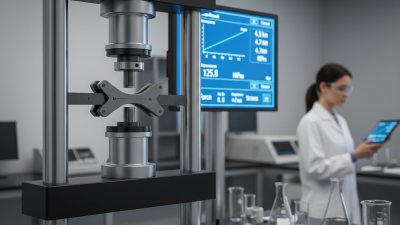
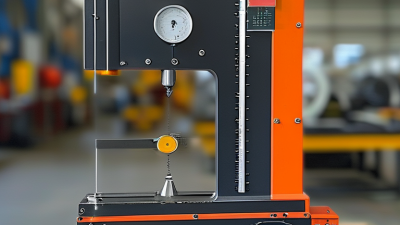
China Top Universal Tensile Testing Machine Manufacturers
A universal tensile testing machine turns force into measurable evidence. It stretches metal, plastic, rubber, wire, and composite specimens until their behavior becomes visible. The process may look simple. The data is not.
Professor William D. Callister Jr. describes it plainly: “The tensile test is probably the most fundamental type of mechanical test.” That principle still matters when comparing Chinese manufacturers. A credible supplier should provide stable load cells, accurate extensometers, rigid frames, and software that records force, displacement, yield strength, and elongation clearly. ISO 7500-1, ASTM E8, ASTM D638, and related standards should guide equipment selection. Compliance alone, however, does not guarantee dependable results.
Look closely at practical details. A 100 kN machine may suit metal testing, while a 5 kN model fits films or small plastic specimens. Jaw alignment matters. So does the grip surface. A polished metal coupon can slip if the serrations are unsuitable. The laboratory temperature can also influence polymer results.
Manufacturers should explain calibration intervals, overload protection, spare-part availability, and remote service response. Request traceable calibration certificates and sample test reports. Ask whether the quoted accuracy applies across the full measurement range. It often does not.
The best comparison is not a glossy product page. It is a documented demonstration with your specimens. Machine selection still involves uncertainty. Some buyers focus too heavily on maximum force. That is an understandable mistake, but it can produce poor repeatability, wasted budget, and difficult maintenance later.
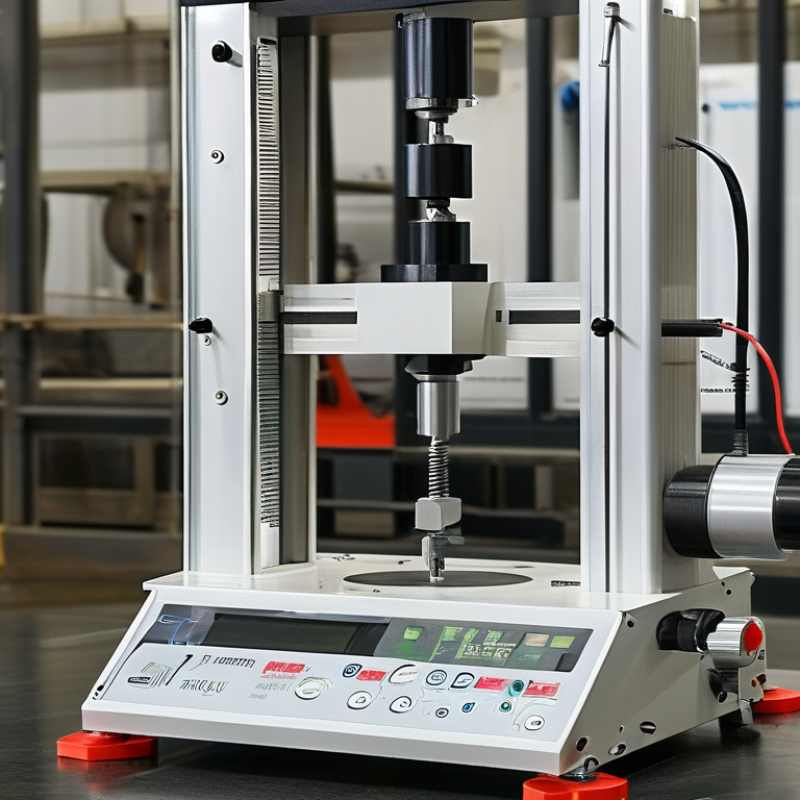
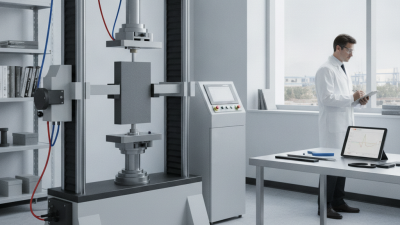
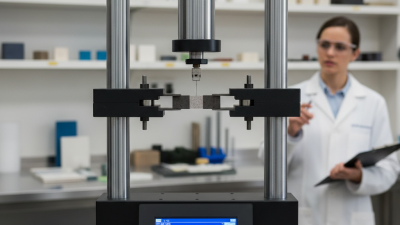
A universal tensile testing machine measures how a material behaves under controlled force. It can pull, compress, bend, or peel test specimens. During a tensile test, the machine grips a sample and increases the load at a defined speed. A load cell records force, while an extensometer measures extension. The software then creates a stress-strain curve.
This curve reveals useful properties, including tensile strength, yield strength, elongation, and elastic modulus. Engineers use these results to evaluate metals, plastics, rubber, films, wires, and fasteners. In practical laboratory work, correct gripping matters greatly. Slippage can produce false elongation. Misalignment can create uneven stress. A clean test result may still be misleading.
Manufacturers in China commonly offer machines with different capacities, frame designs, and control systems. Selection should match the material, specimen size, testing standard, and required accuracy. ASTM, ISO, and GB methods may require different speeds, grips, or measurement tools. Calibration should be traceable, and operators need documented procedures. Small details matter. Temperature and humidity can change polymer results noticeably. Even experienced technicians should review fracture surfaces and test records instead of trusting one graph. Some testing plans also need repeated specimens, because a single attractive result cannot represent production quality.
A universal tensile testing machine measures how materials respond to tension, including tensile strength, elongation, and elastic behavior.
The chart presents representative tensile-strength values for commonly tested materials. Actual results vary according to material grade, specimen geometry, temperature, testing speed, and applicable testing standards.
China Top Universal Tensile Testing Machine Manufacturers: Key Features and Testing Applications
Universal tensile testing machines measure force, displacement, elongation, and failure behavior across metals, plastics, textiles, and composites. A reliable system needs a rigid load frame, calibrated load cell, stable crosshead movement, and accurate extensometer. Digital control also helps engineers repeat test speed and specimen alignment. Small details matter.
The World Steel Association reported about 1.89 billion tonnes of crude steel production in 2023. This scale creates constant demand for tensile, yield strength, and fracture testing. For metallic materials, laboratories commonly follow ISO 6892-1 or ASTM E8 methods. Plastics often use ISO 527, while textiles require different grips and test speeds. Therefore, manufacturers should offer interchangeable fixtures, suitable force ranges, and software that records stress-strain curves without hiding raw data.
Testing applications extend beyond factory inspection. Automotive suppliers examine welded joints and formed components. Construction laboratories verify reinforcing steel. Packaging teams measure film tear resistance and seal strength. Aerospace material research demands controlled strain rates and careful temperature management. According to the International Organization for Standardization, consistent methods improve result comparability between laboratories, but machine performance still depends on calibration and operator practice.
A high load rating can mislead. An oversized frame may reduce sensitivity during low-force tests. Misaligned grips can produce false failures. In real laboratory work, the operator’s setup remains part of the measurement system. No machine is perfect. That limitation deserves honest review.
| Machine Category | Typical Load Capacity | Primary Test Modes | Key Features | Typical Materials | Common Testing Applications | Relevant Standards |
|---|---|---|---|---|---|---|
| Benchtop Electromechanical Tester | 1 N to 10 kN | Tensile, compression, peel, tear, puncture, bending and cyclic testing | Compact frame, interchangeable grips, programmable crosshead speed and digital force measurement | Films, foils, paper, textiles, adhesives, plastics and small components | Quality control, incoming inspection, packaging evaluation and research on small specimens | ASTM D638 ASTM D882 ISO 527 |
| Floor-Standing Electromechanical Tester | 10 kN to 600 kN | Tensile, compression, flexure, shear, proof load and cyclic testing | Rigid dual-column or four-column frame, wide test space, high-travel crosshead and extensometer compatibility | Metals, rigid plastics, composites, rubber, wire, cable and finished products | Material characterization, component verification, production quality control and supplier qualification | ASTM E8/E8M ISO 6892-1 ISO 7500-1 |
| High-Capacity Universal Tester | 300 kN to 2,000 kN | High-load tensile, compression, bending, shear and structural proof testing | Reinforced load frame, high-capacity load cell, hydraulic or electromechanical drive and protected test area | Structural steel, concrete products, reinforcing bars, chains, ropes and heavy assemblies | Construction materials, infrastructure components, lifting equipment and structural product testing | ASTM A370 ISO 6892-1 EN 10002-1 |
| Servo-Hydraulic Universal Tester | 100 kN to several meganewtons | Static tensile, compression, fatigue, fracture and low-cycle testing | Closed-loop control, hydraulic actuator, load or displacement feedback and programmable fatigue profiles | Metals, welds, aerospace materials, automotive components and large engineering structures | Fatigue life assessment, fracture mechanics, structural qualification and durability studies | ASTM E466 ASTM E647 ISO 12106 |
| High-Speed Tensile Tester | Typically 1 kN to 100 kN | High-rate tensile, impact-related tensile and dynamic deformation testing | High-speed actuator, high-frequency data acquisition and specimen protection enclosure | Polymers, films, fibers, energy-absorbing materials and lightweight structures | Rate sensitivity, crash-related material studies, packaging performance and dynamic failure analysis | ASTM D638 ISO 18872 ISO 527 |
| Environmental-Chamber Tester | Typically 1 kN to 100 kN | Tensile, compression, peel and cyclic tests under controlled temperature or humidity | Integrated chamber, temperature control, humidity control options and sealed specimen access | Plastics, elastomers, adhesives, textiles, electronic materials and packaging | Thermal aging, cold-temperature performance, humidity resistance and service-condition simulation | ASTM D638 ASTM D412 ISO 527 |
| Textile and Fiber Tester | Typically 1 N to 10 kN | Yarn tensile, fabric tensile, seam strength, tear, elongation and cyclic testing | Specialized textile grips, low-force accuracy, controlled gauge length and automatic specimen measurement | Yarns, woven fabrics, knitted fabrics, nonwovens, cords and technical textiles | Breaking force, elongation, seam performance, tear resistance and production inspection | ISO 13934-1 ASTM D5035 ASTM D2256 |
| Packaging and Film Tester | Typically 10 N to 5 kN | Film tensile, seal strength, peel, puncture, tear and compression testing | Low-capacity load cells, thin-film grips, seal-strength fixtures and configurable test software | Plastic films, laminates, flexible packaging, paper, labels and medical packaging | Package integrity, seal quality, material comparison, opening force and transport durability | ASTM D882 ASTM F88/F88M ASTM F1306 |
| Rubber and Elastomer Tester | Typically 1 kN to 50 kN | Tensile, elongation, compression, tear, cyclic and stress-relaxation testing | Large extension travel, pneumatic or self-tightening grips and extensometer or optical strain measurement | Natural rubber, synthetic rubber, seals, gaskets, hoses and flexible polymers | Tensile strength, elongation at break, modulus, tear resistance and compression performance | ASTM D412 ASTM D624 ISO 37 |
| Metal and Rebar Tester | 300 kN to 2,000 kN | Yield strength, tensile strength, elongation, bend and compression testing | High-stability load frame, hydraulic wedge grips, extensometer support and automatic yield-point calculation | Carbon steel, stainless steel, aluminum alloys, reinforcing bars, wires and fasteners | Construction steel inspection, incoming material verification, weld qualification and batch release testing | ASTM E8/E8M ASTM A615/A615M ISO 6892-1 |
| Composite Material Tester | 10 kN to 600 kN | Laminate tensile, compression, interlaminar shear, flexure and open-hole testing | Alignment fixtures, anti-buckling supports, extensometry options and low-deflection load frame | Carbon-fiber composites, glass-fiber composites, laminates and sandwich structures | Laminate property measurement, process validation, aerospace research and component qualification | ASTM D3039 ASTM D6641 ISO 14125 |
| Software and Measurement Package | Applicable across machine capacities | Force, displacement, strain, elongation, energy and time-based measurements | Automatic data logging, curve display, result calculation, report generation, limit alarms and method management | Metals, plastics, rubber, textiles, composites, paper and finished products | Repeatable test procedures, traceable reporting, statistical quality control and laboratory data management | ISO 7500-1 ASTM E4 ASTM E83 |
Evaluating Chinese tensile testing machine manufacturers requires more than comparing prices. Check whether each supplier understands ISO 7500-1 calibration requirements and ASTM E8/E8M testing methods. These standards address force accuracy, specimen preparation, and metallic tensile testing. A reliable manufacturer should provide traceable calibration certificates, sensor specifications, and software validation records. Ask for raw test data, not only polished screenshots.
Industry demand also matters. A 2024 MarketsandMarkets report valued the global materials testing market at approximately USD 6.7 billion and projected continued growth through 2029. This expansion increases supplier choice, but it does not guarantee quality. Request evidence from factories using similar loads, grips, and materials. Review frame stiffness, crosshead accuracy, emergency protection, and temperature control. A strong machine should repeat results across several operators. That detail is often missed.
Tips: Compare at least three test reports using identical specimens. Confirm whether calibration is performed by an accredited laboratory. Ask how quickly replacement load cells and grips can arrive. Inspect the installation guide before signing. It should show wiring, foundation needs, and software steps clearly. Video demonstrations help, but they can hide inconvenient details. An on-site acceptance test is better. I would also check long-term service records, even if the sample size is small. No evaluation method is perfect. That limitation should be recorded, not ignored.
China’s universal tensile testing machine sector is not one uniform supplier group. It is divided into clear manufacturing categories. General-purpose electromechanical machines serve plastics, wire, textiles, paper, and small metal parts. They commonly cover 1 kN to 600 kN and provide controlled displacement. Hydraulic frames address heavier steel, concrete, and structural specimens. Servo-hydraulic systems add cyclic loading and fatigue control, but require higher maintenance skills.
A second category focuses on application-specific systems. High-temperature, low-temperature, and environmental chambers support plastics, aerospace alloys, and battery materials. Film, yarn, and spring testers use smaller fixtures and faster grips. Custom laboratories may combine extensometers, optical measurement, and automated specimen feeding. The 2024 MarketsandMarkets materials testing forecast expects the market to expand at roughly 5% annually, driven by automation and digital data management. That trend matters. A strong frame is not enough when traceability is weak.
Selection should follow load range, test method, calibration interval, and service response. ISO 7500-1 and ASTM E4 remain useful references for force verification. In factory audits, poor alignment and unstable gripping still produce misleading elongation results. This is easy to miss. Buyers should request calibration records, uncertainty statements, software logs, and witnessed acceptance tests. A 2024 Grand View Research report also connects testing demand with advanced manufacturing and quality control. Category labels help, but they can oversimplify real capability.
Selecting a tensile testing machine requires more than comparing prices. Confirm the required force range, test speed, grip design, and extensometer accuracy. A machine rated for 100 kN may perform poorly on thin films without suitable grips. Ask for sample testing with your actual materials. The resulting curves reveal more than a product brochure.
Certification should match your testing method and export market. Request calibration records traceable to a recognized national metrology system. Check compliance with standards such as ISO 7500-1, ISO 6892-1, or ASTM E8/E8M. Software matters too. Ask whether the control system records raw data, protects test settings, and supports audit-ready reports. A certificate alone proves little without clear scope and recent calibration.
After-sales support often determines long-term value. Confirm installation training, response times, spare-part availability, and remote troubleshooting procedures. Ask who performs annual calibration and whether engineers can service the load cell locally. Review the warranty exclusions carefully. They may include grips, cables, or accidental overloads. One practical lesson is easy to miss: operators need simple training, not only technical manuals. A rushed purchase can leave an accurate machine unused. My own checklist would still include factory acceptance testing, because promised performance and daily performance are not always identical.