10 Essential Tips for Using a Tensile Strength Machine Effectively?
Using a tensile strength machine can significantly improve your testing outcomes. Understanding how to operate it effectively is crucial. Many users overlook the nuances that lead to better results. Clarity in setup and calibration often goes unappreciated.
Visualizing the process helps. Think of the machine as a bridge between materials and their limits. Each test reveals vital data about strength and durability. However, improper use can yield misleading results. Simple mistakes can turn a solid test into a flawed one.
Take the time to learn. Each adjustment matters. Monitor the machine closely during tests. Recognize that even small errors in technique can shift your results. With deliberate practice, you’ll harness the full potential of the tensile strength machine.
Understanding the Basics of Tensile Strength Testing Machines
Tensile strength testing machines play a vital role in material science. These machines measure how much stress a material can withstand before breaking. Understanding their basic components is crucial for effective usage. A typical machine includes a frame, grips, and a load cell. Knowing how these parts work together is essential for accurate results.
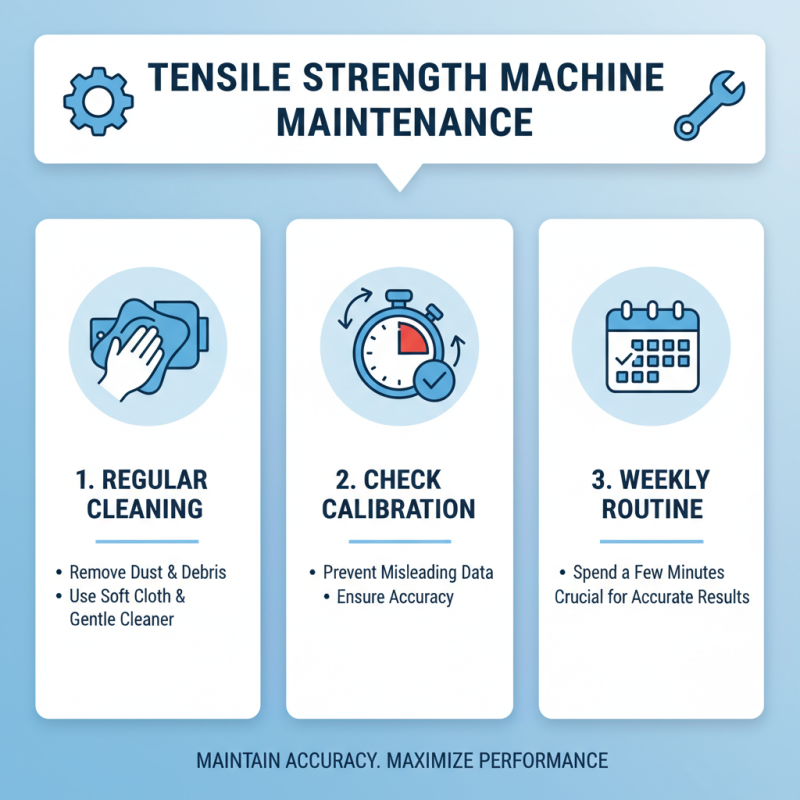
Calibration is critical. Regular checks ensure that the machine operates correctly. Users sometimes overlook this process, leading to misleading outcomes. Familiarity with the software interface also helps. Many operators struggle with settings, impacting the clarity of test data. Training can bridge these gaps, enhancing accuracy.
Data interpretation demands attention. Results are only as good as the understanding behind them. Users must recognize factors like strain and elongation. Each material behaves differently under stress. It’s essential to reflect on these variables to improve testing methods. Through experience, one can learn the nuances that affect tensile strength measurements.
10 Essential Tips for Using a Tensile Strength Machine Effectively
| Tip Number |
Tip Description |
Importance |
| 1 |
Calibrate the machine regularly to ensure accurate measurements. |
High |
| 2 |
Use appropriate sample preparations to avoid inconsistencies. |
High |
| 3 |
Follow safety protocols to protect operators and equipment. |
Critical |
| 4 |
Be consistent with test speed to minimize variability in results. |
Medium |
| 5 |
Record environmental conditions during testing (humidity, temperature). |
Important |
| 6 |
Utilize proper grips and fixtures to hold the samples safely. |
High |
| 7 |
Analyze results immediately to catch any test discrepancies. |
Medium |
| 8 |
Consider using multiple samples for more reliable data. |
High |
| 9 |
Ensure the machine is positioned on a stable surface to avoid inaccuracies. |
Critical |
| 10 |
Review and follow the manufacturer's guidelines for best practices. |
Important |
Selecting the Right Calibration Standards for Accurate Measurements
When using a tensile strength machine, selecting the right calibration standards is crucial. These standards ensure accurate measurements and reliable results. It's important to choose materials that closely match the properties of your test specimen. The wrong standard can lead to false conclusions.
Thickness and temperature play significant roles in testing. Standards should reflect these variables. If the materials don't align, the outcomes can be misleading. It's also essential to periodically check the calibration. Neglecting this can result in accumulated errors.
Remember, not all calibration standards are created equal. Some may be outdated or unsuitable. A detailed review of available standards is necessary. Invest time in understanding their specifications. It might seem tedious but ensures greater accuracy in your results. Aim to refine this process continuously for the best outcomes.
Understanding Tensile Strength Measurements
This chart illustrates the tensile strength measurements of various materials. The data reflects the average tensile strength values (in MPa) for selected materials based on standardized tests.
Proper Sample Preparation Techniques for Effective Testing
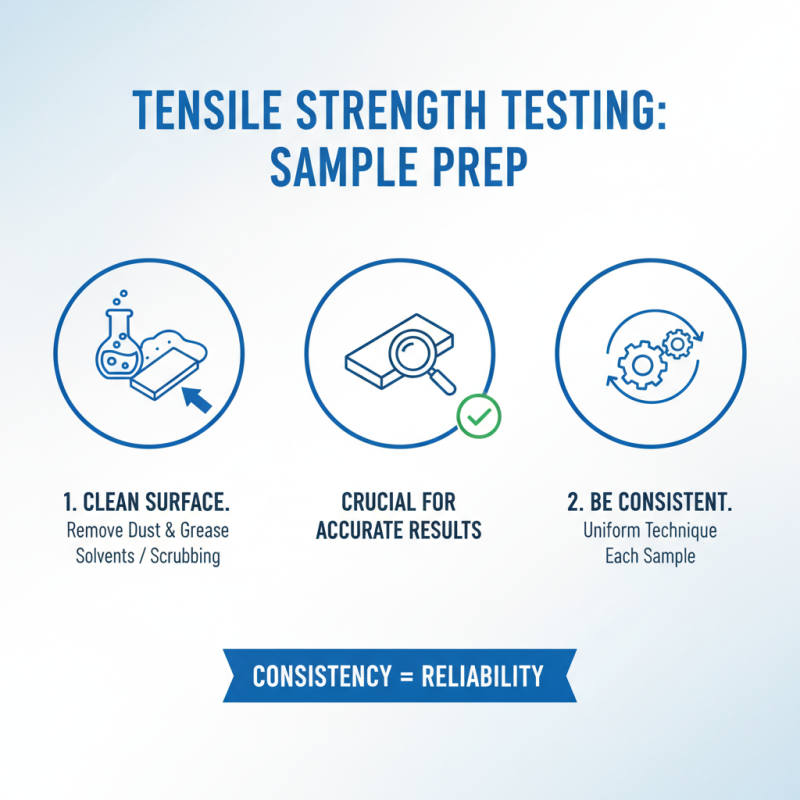
Proper sample preparation is crucial for effective tensile strength testing. One common mistake is not ensuring the sample's surface is clean. Dust or grease can compromise results. It's vital to clean each sample thoroughly before testing. Some labs use solvents, while others might prefer scrubbing methods. Each technique has its merits, but being consistent is key.
Another often overlooked detail is the size and shape of the sample. A common issue is using samples that are too small or irregularly shaped. This can lead to inaccurate measurements and skewed results. A standardized size helps ensure reliability. Also, it’s essential to check for flaws in the material, as these can dramatically affect results. Don't assume a perfect sample is always available. Regularly assess your materials to avoid surprises during testing.
Lastly, environmental factors can impact testing results. Ensure that the testing machine is calibrated properly. Temperature and humidity should be monitored closely. An uncontrolled environment can lead to variations that misrepresent material strength. Small details matter a lot in preparation. Reflect on your processes and keep improving them for consistent outcomes.
Interpreting Test Results: Key Metrics to Focus On
Interpreting test results from a tensile strength machine requires focus on key metrics. The ultimate tensile strength (UTS) is crucial. It indicates the maximum stress a material can withstand. This value helps determine suitability for specific applications. Pay attention to the yield strength as well. It shows when a material begins to deform permanently under stress. This is essential in engineering decisions.
A good tip for using the machine effectively is calibration. Regular calibration ensures that results are accurate. Even slight deviations can lead to flawed conclusions. Another point to consider is the speed of testing. Faster tests can introduce errors. Take your time to ensure measurements reflect true material properties.
Watch for strain measurement as well. It's key to understanding how a material behaves under stress. Documenting the entire range of stress and strain can reveal important insights. If your results seem inconsistent, it may reflect improper setup. Reflect on the testing environment. Variations in temperature and humidity can affect outcomes. Always be mindful of these factors during testing.