Material Testing Blog

HomeMaterial Testing Blog

What Is a Glass Chamfering Machine and How Does It Work?

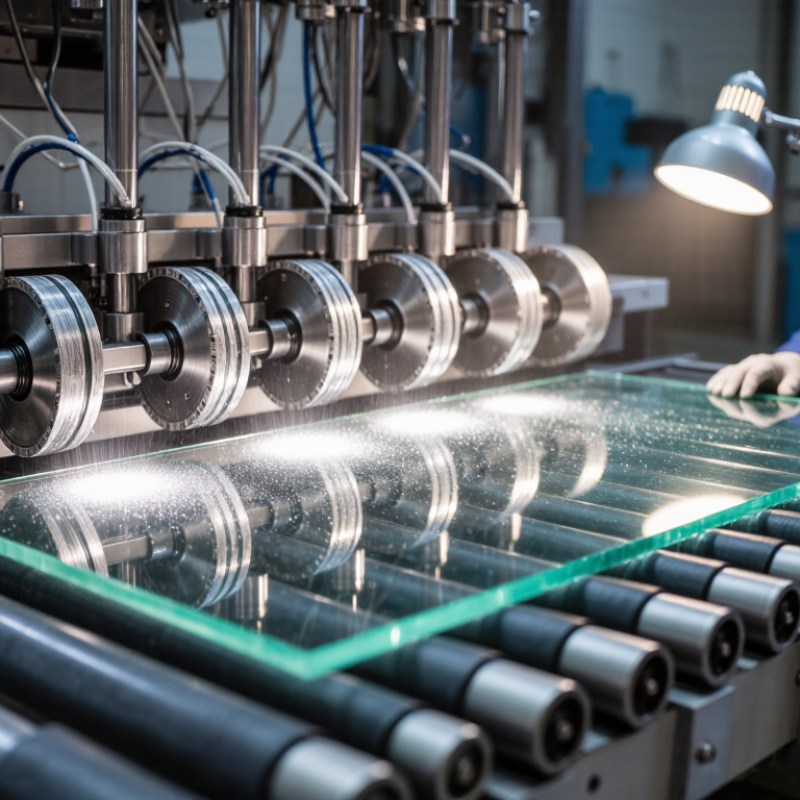
A Glass Chamfering Machine shapes and smooths the sharp edges of glass panels, creating a controlled bevel for safety, appearance, and accurate installation. It typically uses diamond wheels, water cooling, adjustable guides, and a conveyor system. As the panel moves forward, the rotating tools remove a narrow strip from its edge. The result is a consistent chamfer rather than a rough, dangerous corner.

This equipment matters because glass production is becoming more automated and specification-driven. Grand View Research estimates that the global flat glass market will continue expanding through 2030, supported by construction, automotive, and solar applications. Mordor Intelligence also identifies processing automation as an important development in the glass industry. These reports do not measure chamfering machines alone, but they show why precise edge finishing is increasingly valuable.

“Edge quality is where glass processing reveals its discipline,” says glass-processing engineer Dr. Helmut Schüller. A properly adjusted machine controls wheel pressure, feed speed, cooling flow, and the final bevel width. Small errors can create chips, burns, or visible unevenness. The operator still matters.

That detail is easy to underestimate.

In practice, a technician may check the first panel under angled light, feeling the edge with a gloved hand. The surface can look perfect and still contain microscopic damage. This is where machine settings, wheel condition, and inspection records become essential. However, no single machine guarantees flawless results. Material thickness, glass type, and operator experience can change the outcome. A better explanation must examine both the machine’s working principle and its practical limitations.
What Is a Glass Chamfering Machine and How Does It Work?

What a Glass Chamfering Machine Is

What Is a Glass Chamfering Machine and How Does It Work?

What a Glass Chamfering Machine Is

A glass chamfering machine removes sharp glass edges at a controlled angle. It creates a sloped surface called a chamfer. This process improves handling safety and gives panels a cleaner, finished appearance.

The machine usually combines a conveyor, diamond grinding wheels, coolant, and an adjustable guide system. The conveyor moves the glass steadily. Diamond wheels shape the edge without applying excessive pressure. Water cools the grinding area and carries away fine glass particles. Operators adjust the angle, feed speed, and grinding depth for each panel.

A machine operator will notice the difference immediately. Poor alignment can produce uneven edges, corner chips, or visible grinding marks. Small errors matter.

Industry Context

Grand View Research estimated the global glass manufacturing market at about USD 273 billion in 2023. That scale increases demand for repeatable edge processing.

The European Commission also reports that buildings consume roughly 40% of energy in the European Union. This supports wider use of efficient architectural glass, including precisely finished panels.

In practical production, chamfering is not only cosmetic. It reduces sharp contact points during installation and lowers the risk of edge damage. However, the machine cannot correct badly cut glass. Material inspection still comes first. Operators should check thickness, flatness, edge quality, coolant flow, and wheel wear before processing. Even advanced equipment needs human judgment.

Key Components and Their Functions

What Is a Glass Chamfering Machine and How Does It Work?

Key Components and Their Functions

A glass chamfering machine removes sharp edges and creates a controlled bevel on glass panels. The process improves handling safety and gives edges a cleaner architectural appearance. In practice, operators feed each panel onto a conveyor bed. Rollers then guide it through grinding, cooling, and inspection zones. Small alignment errors can still produce uneven bevels, especially with thin glass.

The conveyor system controls movement speed and panel stability. Diamond grinding wheels shape the edge with consistent pressure. A spindle motor maintains wheel rotation, while adjustable guides position the glass accurately. Water nozzles cool the contact area and carry away abrasive particles. This detail matters because excessive heat may cause edge chips or internal stress. The control cabinet manages speed, pressure, wheel selection, and emergency stopping functions.

Measurement remains essential. A 2024 report from the International Federation of Robotics recorded 541,302 industrial robot installations worldwide in 2023, showing the wider manufacturing shift toward repeatable automation. However, chamfering still depends on correct wheel dressing and operator judgment. Automation cannot repair a poorly calibrated guide. Industry assessments from Grand View Research also identify construction and automotive demand as major forces in flat-glass processing. That demand encourages faster equipment, but speed should not replace inspection. A practical quality check uses edge-width gauges, visual lighting, and sample measurements after setup. The process is not flawless. Even experienced teams may need to adjust coolant flow during long production runs.

What Is a Glass Chamfering Machine and How Does It Work? - Key Components and Their Functions
Component Main Function How It Works During Chamfering
Conveyor or Worktable Supports and moves the glass through the machine. Rollers or a supported table guide the glass at a controlled feed rate so the edge meets the grinding tools consistently.
Guide Rails and Clamping System Keeps the glass aligned and stable. Adjustable guides and clamps help prevent unwanted movement while the edge is being processed. Correct setup helps produce a more even chamfer.
Abrasive Grinding Wheels Remove material from the edge to form the chamfer. Rotating wheels contact the glass edge. Depending on the machine setup, successive abrasive stages can shape the bevel, smooth the ground surface, and refine its finish.
Spindles and Drive Motors Rotate the grinding wheels. Motors drive the spindles, which hold and turn the wheels. The wheel position and machine settings determine where and how the abrasive contacts the glass.
Water-Cooling and Rinse System Cools the grinding area and carries away glass particles. Water is directed toward the wheel-to-glass contact point during processing. This helps limit heat buildup and flush away abrasive residue and glass debris.
Angle and Position Adjustments Set the chamfer’s orientation and dimensions. Adjustments position the glass, guides, or grinding heads to achieve the required bevel angle and width, within the machine’s design limits.
Control Panel Sets and monitors operating parameters. The operator uses the controls to start and stop the machine and, where supported, adjust settings such as feed speed and grinding-head position.
Guards and Emergency Stop Help protect the operator during operation. Guards separate the operator from moving parts and the grinding area. An emergency-stop control provides a way to halt machine operation quickly when needed.

How Glass Is Prepared for Chamfering

Before chamfering, inspect each pane under bright, angled light. Look for chips, scratches, and shelling along the edge; even a tiny flaw can grow under grinding pressure. Confirm the glass type, thickness, dimensions, and required bevel against the work order. Clean both faces and edges so grit or labels do not score the surface or interfere with secure positioning. The U.S. Department of Energy’s Energy Saver guidance estimates that heat gain and loss through windows account for 25–30% of residential heating and cooling energy use. That figure concerns window performance, not chamfering defects, but it shows why careful glass fabrication matters in building projects.

Set the pane flat on clean supports, with its edge aligned to the machine’s guides. Check that clamps hold it firmly without putting pressure on corners. Select the wheel and settings for the glass thickness and chamfer profile; follow the equipment maker’s operating instructions. A short test pass on a sample can reveal vibration, uneven contact, or an overly aggressive feed. Small setup errors are easy to miss. They can leave a rough bevel or create edge damage that appears only after polishing.

Tips: Wear suitable eye and hand protection, and keep the work area clear of loose fragments. Use a steady water supply where the process requires wet grinding. Check the chamfer under consistent lighting before moving the pane onward; look for a uniform width, smooth transitions, and fresh chips. If the result is borderline, pause and reassess the setup rather than assuming the next pass will fix it.

How the Chamfering Process Works Step by Step

A glass chamfering machine grinds a narrow angled face along a glass edge. Unlike a broad decorative bevel, a chamfer removes a small corner to reduce sharpness and prepare the edge for fitting.

The process starts with checking the glass thickness and selecting the chamfer angle. The operator then places the pane on the machine bed and aligns its edge against guides. Even a slight misalignment can leave the finished line uneven.

Next, powered wheels remove material as the glass moves past them or the machine head travels along the edge. Water cools the contact area and carries away glass particles. Coarser abrasives shape the chamfer; finer wheels smooth it.

The operator checks the angle, width, and surface for chips or cloudy marks.

The U.S. Department of Energy reports that heat gain and loss through windows account for about 25–30% of residential heating and cooling energy use. That figure concerns whole windows, not chamfering, but it underscores why careful glass fabrication matters. A neat edge cannot compensate for poor glazing or installation.

Tips: Keep the glass supported near the working edge, and use steady feed pressure. Inspect the first piece before running a full batch. In real workshops, a rushed setup can still cause small defects; the process deserves a pause and a second look.

Common Machine Types and Their Uses

What Is a Glass Chamfering Machine and How Does It Work?

Common Machine Types and Their Uses

A glass chamfering machine removes sharp edges and creates a clean, angled finish. It uses diamond wheels, water cooling, and controlled pressure. The process improves handling safety and supports accurate assembly. Straight-line chamfering machines suit repeated panels with consistent dimensions. Operators often use them for doors, partitions, mirrors, and furniture glass. Their conveyor systems keep each sheet moving steadily.

CNC chamfering machines handle curved edges, varied angles, and custom designs. They fit architectural features, display cases, and small production batches. Automatic machines reduce manual handling and improve repeatability. This matters because the International Energy Agency reports that buildings consume about 30% of global final energy. Better-finished glazing can support tighter installation and fewer replacement defects. Still, machine accuracy cannot correct poor glass measurement. That detail is easy to overlook.

Tips: Match the machine to thickness, edge shape, and daily output. Check wheel wear before production. A dull diamond wheel may leave chips, burn marks, or uneven bevels. Keep cooling water clean and inspect the final edge under bright light. The U.S. Department of Energy notes that windows can represent 25% to 30% of household heating and cooling energy use. Careful edge work supports reliable window fabrication, but it is only one part of performance.

What Is a Glass Chamfering Machine and How Does It Work?

Common straight-line machine types differ in how many parallel glass edges they process at once.

A chamfering machine uses rotating abrasive wheels to grind and finish a glass edge at an angle. A single-side edger processes one edge at a time; a double-side edger processes two opposite, parallel edges simultaneously. Actual throughput depends on glass size, thickness, edge specification, and machine settings.

Go to Top