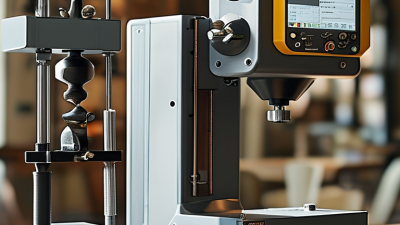
Top Small Tensile Testing Machine Options for 2026 Buyers?
In recent years, the demand for small tensile testing machines has grown significantly. The global market for testing equipment is expected to reach $5 billion by 2026, according to industry reports. This surge reflects the increasing need for precise material testing in various sectors such as pharmaceuticals, aerospace, and automotive. A small tensile testing machine is crucial for evaluating material strength, elasticity, and durability.
Advanced features in these machines, such as digital displays and automated data collection, enhance their functionality. However, not all equipment meets industry standards. Buyers often face challenges when selecting reliable vendors. A 2023 survey highlighted that 30% of users encountered issues due to inadequate calibration of their machines. It's essential for buyers to ensure that their chosen small tensile testing machine undergoes thorough validation.
Investing in quality machinery is pivotal for accurate testing results. Companies risk subpar performance if they opt for budget models without proper research. Understanding specifications like load capacity and material compatibility can help mitigate potential pitfalls. Ultimately, choosing the right small tensile testing machine requires careful consideration of both technical requirements and vendor reputation.
Overview of Tensile Testing Machines and Their Importance
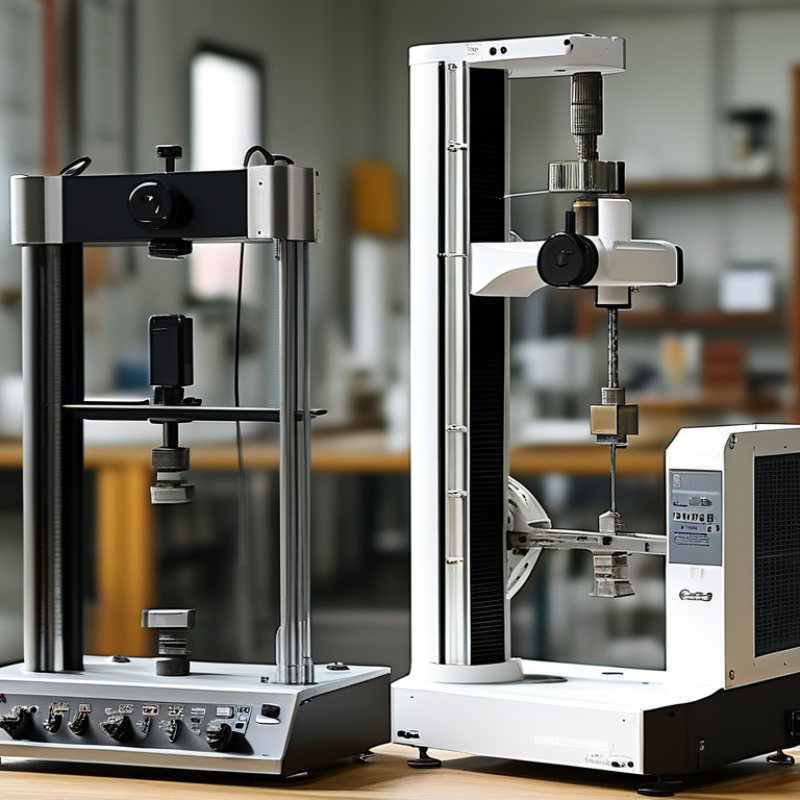
Tensile testing machines play a crucial role in material science and engineering. They measure how materials react to stress and strain, providing vital data about their mechanical properties. Understanding tensile strength is vital for industries like construction, automotive, and electronics. Each of these fields relies on reliable data to ensure safety and performance.
The importance of these machines cannot be overstated. As materials evolve, the demand for precise testing becomes essential. A minor flaw in the data can lead to significant failures. For instance, a construction project may face severe consequences if the strength of steel is inaccurately assessed. The testing process itself often brings challenges. Variations in sample preparation can affect results. Reliability hinges on consistent practices.
Selecting the right tensile testing machine involves careful consideration. Users must evaluate their specific needs and the types of materials tested. The process is complex and requires knowledge. Not all machines fit every situation, and understanding this is key. A thorough understanding allows better choices, ultimately enhancing project success. Questions often arise when evaluating the right options, highlighting the need for clearer guidance in the market.
Key Features to Consider When Choosing a Small Tensile Testing Machine
When selecting a small tensile testing machine, several key features deserve careful consideration. The machine's capacity is crucial; it should support the maximum load of the materials you'll test. Many small machines have varying capacities, so it's essential to match this to your specific needs. Precision in measurement is vital. Look for machines that can provide accurate results within a significant range of material types. A device that offers both standard and customized testing options can greatly enhance its utility.
The testing speed is another factor that should not be overlooked. Different materials react differently under stress, and a machine that can adjust its testing speed will give you more reliable results. Additionally, user interface matters. A clear, intuitive interface simplifies operation, allowing even less experienced users to get accurate readings with ease. Maintenance requirements should also be evaluated. A machine that demands frequent upkeep can increase downtime, impacting productivity.
Lastly, noise level might seem trivial, but in a busy lab, a quieter machine can make a difference in work quality. Furthermore, consider software integrations that allow for better data analysis. While many machines offer various features, not all will meet your specific testing requirements effectively. Reflecting on these aspects can help you choose wisely.
Top Brands and Models to Watch for in 2026
In 2026, small tensile testing machines remain crucial for quality control in various industries. Recent reports indicate that precision and reliability are essential in tensile testing technology. The demand for these machines is projected to grow by 8% annually through 2026, reflecting their importance in product development and material analysis.
Several brands have emerged as leaders in this sector. They focus on enhancing user experience and incorporating advanced technology. Users report that ease of calibration and data reporting are significant factors in their purchasing decisions. It’s noteworthy that many machines now feature enhanced software integration, providing detailed analytics. However, the challenge lies in selecting models that not only meet immediate needs but also adapt to future testing requirements.
The range of models available is vast. Some machines are designed for specific materials, like polymers, while others serve metals. Buyers should consider factors such as load capacity and testing speed, as they directly impact the machine's utility. While many options exist, potential buyers should reflect on their unique testing environments. Failing to do so could lead to over or under-utilization of the machine's capabilities.
Comparison of Price Ranges and Value for Money
When selecting a tensile testing machine for 2026, understanding price ranges is essential. Prices can vary significantly based on machine capabilities. Basic models often start around $3,000. Advanced options may reach up to $15,000 or more. Analyzing features helps assess the value for money. Some machines offer extensive software integration, while others may provide simpler interfaces.
It's crucial to consider what you truly need. If your testing volume is low and demands are modest, a budget option might suffice. However, for high-precision requirements, investing in a higher-end model could pay off in the long run. Analyze the cost per test in your specific application to gauge overall value.
Reflecting on past purchases can inform future decisions. Some buyers regret selecting machines without sufficient consultation. Investing money into a machine lacking proper support can lead to frustration. Gather user reviews and seek expert advice to ensure you make a sound investment. Aim for a balance between affordability and the features required for precise, reliable testing.
Future Trends in Small Tensile Testing Machine Technology
The landscape of small tensile testing machines is evolving rapidly. As industries focus on material testing, new technologies are reshaping these devices. For instance, advancements in automation are streamlining processes. Machines are now integrating AI for better data analysis. This allows users to obtain precise results more efficiently.
The shift towards digital interfaces is also noteworthy. Modern machines feature touchscreens for ease of use. These interfaces often include customizable settings, enhancing user experience. However, it is crucial to recognize that despite these improvements, user training remains essential. Many users struggle to fully utilize advanced functions, which can lead to errors in testing.
Sustainability is another trend influencing technology. Manufacturers are focusing on eco-friendly materials in machine construction. While this is a positive direction, the challenge lies in balancing performance with environmental considerations. Some newer materials may not yet match traditional options in durability. As 2026 approaches, buyers might find themselves navigating this complex landscape.
Top Small Tensile Testing Machine Options for 2026 Buyers
| Model |
Max Load (kN) |
Test Speed (mm/min) |
Control Type |
Price Range ($) |
| Model A |
10 |
50 |
Computer-Controlled |
500 - 700 |
| Model B |
15 |
100 |
Manual |
800 - 1200 |
| Model C |
20 |
80 |
Computer-Controlled |
1000 - 1500 |
| Model D |
25 |
150 |
Electronic Control |
2000 - 3000 |