Top Tips for Sourcing Quality Carbon Steel Casting Products?
In the competitive world of manufacturing, sourcing quality Carbon Steel Casting products can be challenging. Expert James Thompson, a seasoned player in the casting industry, states, "Quality is not just a target; it's a commitment that starts at the source." This emphasizes the need for diligent sourcing practices.
Choosing the right supplier is crucial. Many manufacturers overlook this step, leading to poor quality products and costly errors. It's essential to evaluate a supplier’s experience and certifications in Carbon Steel Casting. A reliable partner will ensure that the components meet specific standards and requirements. Quality raw materials significantly impact the final product's durability and performance.
Pay attention to details throughout the sourcing process. Regular audits and quality checks can reveal inconsistencies. Some suppliers may not disclose their production methods, raising concerns about transparency. Building strong relationships with trusted suppliers fosters reliability. Ultimately, investing time and effort into sourcing will lead to superior products and Satisfied customers.
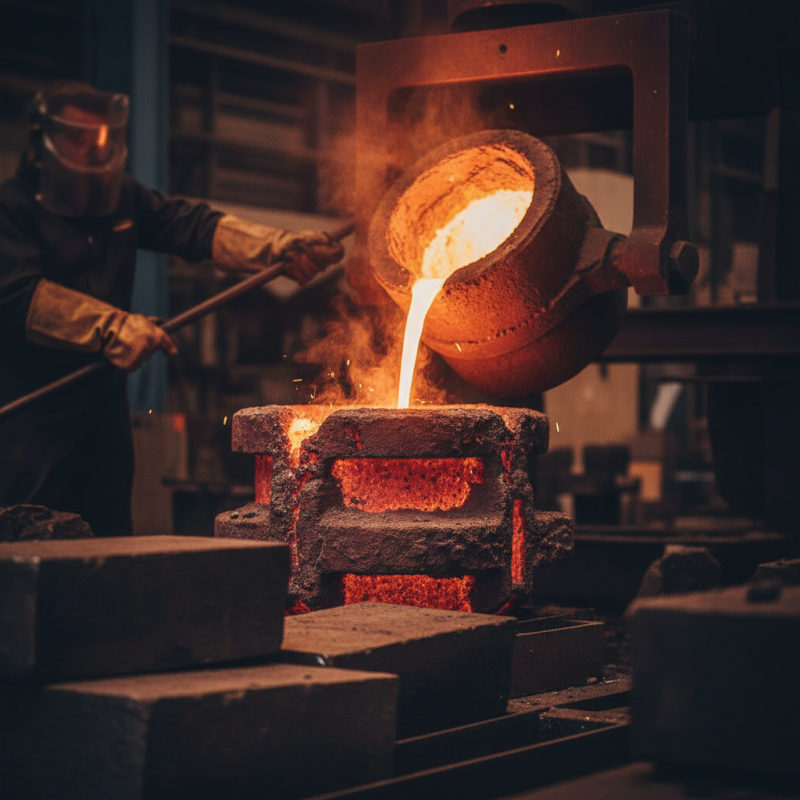
Understanding Carbon Steel Casting and Its Benefits
Carbon steel casting has become a popular choice in various industries due to its durability and cost-effectiveness. According to a recent market report, the global carbon steel casting products market is expected to grow by 5.3% annually from 2021 to 2026. This highlights the increasing demand for high-quality castings in sectors such as automotive, construction, and machinery.
Carbon steel offers excellent strength and hardness compared to other materials. Its properties make it suitable for both high-stress and low-stress applications. For example, components like gears and housings benefit from its toughness and resilience. However, the selection of raw materials and casting techniques is crucial. Poor quality raw materials can lead to defects like porosity and surface irregularities. Research shows that 15% of casting production suffers from quality issues, emphasizing the need for careful sourcing.
Understanding the benefits of carbon steel casting involves balancing cost and quality. While cheaper options may be tempting, they often result in higher long-term costs due to failures. Industry experts recommend rigorous quality control measures. This includes testing mechanical properties and conducting non-destructive evaluations. Such practices enhance reliability and ensure that end products meet required specifications. The journey to sourcing quality products is intricate but essential for lasting performance.
Understanding Carbon Steel Casting and Its Benefits
Key Factors to Consider When Choosing Casting Suppliers
When selecting casting suppliers for carbon steel products, several key factors matter. Experience plays a crucial role. Suppliers with a strong background in metal casting tend to understand the nuances of production. This knowledge leads to better quality control and superior outcomes. Assessing their previous projects can provide insights into their expertise.
Another critical aspect is technology. The best suppliers use modern equipment and techniques. Advanced machinery can improve precision, reducing defects in casting. Ensure the supplier stays updated with industry trends. This commitment indicates a willingness to innovate and improve their methods.
Communication is vital too. A responsive supplier fosters a good working relationship. Clear dialogue can clarify expectations and avoid misunderstandings. However, not all suppliers excel in this area. Some may lack responsiveness, raising concerns about reliability. Make it a priority to evaluate their communication practices before making a decision.
Evaluating the Quality Standards for Carbon Steel Castings
When sourcing carbon steel castings, understanding quality standards is crucial. The assessment begins with examining the material properties. Carbon steel should meet specific tensile strength and hardness requirements. Look for certifications that confirm compliance with international standards. These documents serve as proof of quality.
Manufacturing processes also impact quality. The casting method, whether sand or investment casting, affects the final product's integrity. A reliable supplier should be transparent about their processes. They should provide clear information on how they handle defects and ensure rework, if necessary.
Ultimately, establishing a trustworthy relationship with suppliers requires persistent communication. Ask questions about their quality control measures. Some suppliers may hesitate to share their processes. This unresponsiveness can be a red flag. It’s imperative to gather detailed information before making any commitments.
Top Tips for Sourcing Quality Carbon Steel Casting Products - Evaluating the Quality Standards for Carbon Steel Castings
| Criteria | Description | Standard Reference | Evaluation Method |
| Material Composition | Ensure the carbon steel meets specific chemical compositions for intended use. | ASTM A216, ASTM A537 | Spectrometric analysis |
| Mechanical Properties | Check tensile strength, yield strength, and elongation. | ASTM A370 | Tensile testing |
| Dimensional Tolerances | Verify that dimensions conform to required tolerances for fit and function. | ISO 2768 | Caliper measurements and gauges |
| Surface Finish | Assess surface roughness and treatment to meet application requirements. | ASTM A486 | Surface roughness testing |
| Quality Assurance | Confirm the presence of a quality management system. | ISO 9001 | Audit and document review |
| Inspection Testing | Perform non-destructive testing (NDT) for integrity checking. | ASME Section V | Ultrasonic or radiographic testing |
Best Practices for Inspecting Carbon Steel Casting Products
Inspecting carbon steel casting products requires a detailed approach. Quality checks should begin with visual inspections. Look for surface defects, such as cracks or inclusions. Studies indicate that nearly 20% of castings may have surface irregularities. These flaws can undermine the performance of finished goods.
Nondestructive testing (NDT) methods are essential for deeper inspections. Ultrasonic testing can detect internal flaws that are not visible. According to industry reports, nearly 25% of casting failures occur due to internal defects. It’s vital to adopt methods like magnetic particle testing to pinpoint issues effectively.
Documentation plays a crucial role in maintaining standards. Keeping track of inspection results helps identify patterns over time. Data shows that companies that rigorously document quality checks reduce defects by up to 30%. Yet, many overlook this aspect. Regular training for inspectors can bridge this gap. Investing in skills ensures consistent quality control in casting processes.
Building Long-Term Relationships with Reliable Suppliers
Building long-term relationships with reliable suppliers is essential in sourcing quality carbon steel casting products. Trust and communication pave the way for successful partnerships. Regular interactions help clarify expectations and foster collaboration.
When searching for suppliers, evaluate their experience and capabilities. Visit their facilities and assess their production processes. This firsthand observation can reveal strengths and weaknesses. Look for suppliers who are transparent about their operations. Transparency builds trust, a cornerstone of a lasting partnership.
It’s important to establish clear quality standards. Discuss specifications upfront to avoid misunderstandings later. Keep an eye on the supplier’s adherence to these standards over time. Regular quality checks are vital. They ensure that the products meet your expectations consistently. A reliable supplier will appreciate your commitment to quality and reciprocate with diligence.


