What is a Tensometer Machine and How Does it Work?
In the world of materials testing, a tensometer machine plays a crucial role. This device is used to measure the tensile strength of various materials. Experts emphasize its importance for industries like manufacturing and construction. Dr. Sarah Thompson, a leading expert in material science, once stated, "Understanding material properties is vital for ensuring safety and quality."
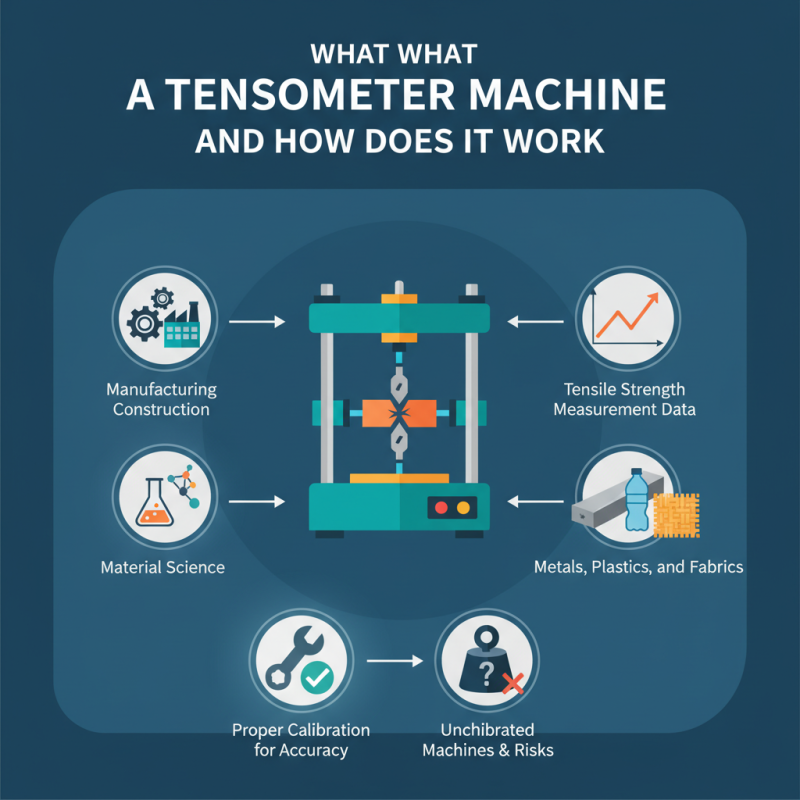
The tensometer machine works by applying force until the material breaks. It provides essential data that helps engineers and designers make informed decisions. By testing metals, plastics, and fabrics, different applications benefit from its precision. However, many users overlook the proper calibration of the tensometer. Proper calibration is crucial for accuracy. Uncalibrated machines can lead to misleading results and potential safety risks.
Industry professionals often face challenges with these machines. Inconsistent testing environments can affect outcomes. Users sometimes neglect to follow standard operating procedures. This negligence can lead to errors. A proper understanding of the tensometer machine, however, can mitigate these issues and improve material testing processes significantly.
What is a Tensometer Machine?
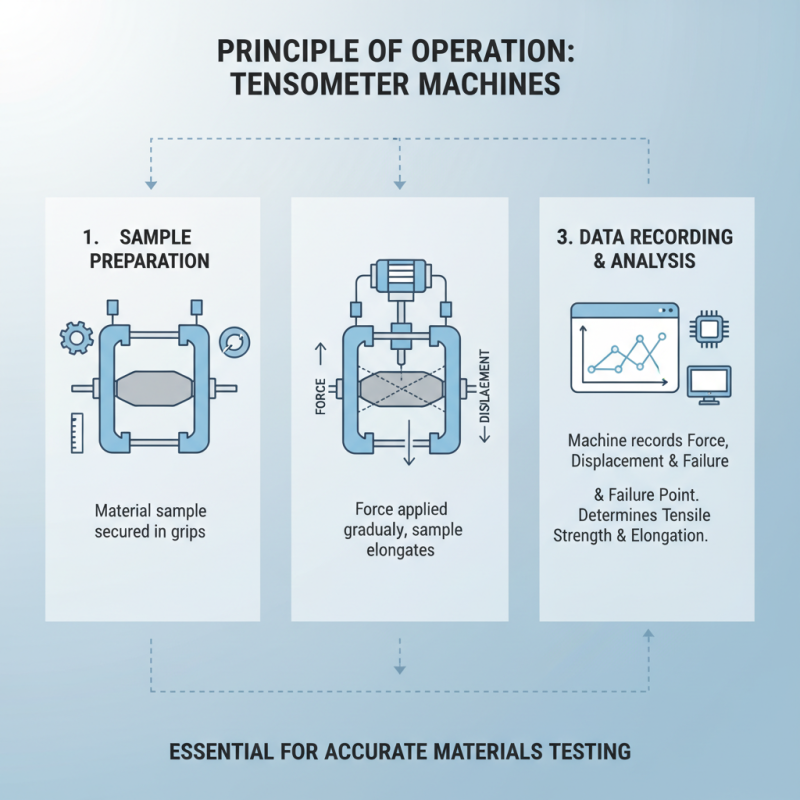
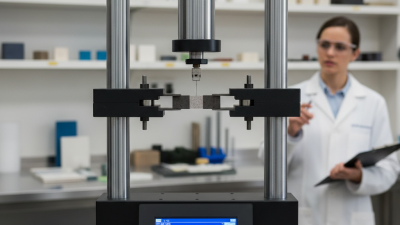
A tensometer machine is an essential device used to measure the tensile strength of materials. These machines can test various substances, including metals, plastics, and textiles. A typical tensometer applies force to a sample until it breaks. This process helps engineers understand how materials behave under stress.
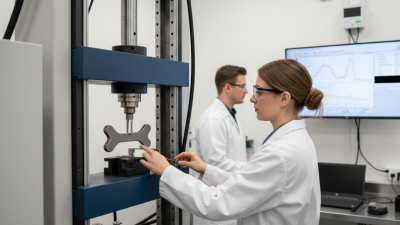
The operation of a tensometer is relatively straightforward. The sample is securely positioned in the machine’s grips. As the force is applied, the machine records data such as elongation and maximum tension. This data is crucial for evaluating material performance. Often, it highlights potential weaknesses in the materials tested.
Visualizing this, imagine a rubber band being stretched until it snaps. The tensometer performs a similar function, but with precise measurements. Despite the technological advancements, user errors can occur. Misalignment of the sample might lead to inaccurate results, prompting a need for careful training.
It's vital for operators to check calibration regularly. Misreading data can misinform crucial decisions, which is a significant concern in engineering fields.
Key Components of a Tensometer Machine
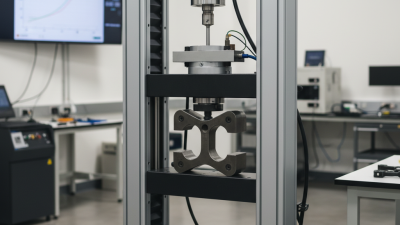
A tensometer machine is essential for measuring the tensile strength of materials. Understanding its key components can enhance testing accuracy and efficiency. The primary elements include the frame, load cell, grips, and software interface.
The frame is usually made of robust metal, ensuring stability during testing. Its design supports accurate force application. The load cell converts tensile force into electrical signals. This conversion allows for precise measurements, critical in laboratories. Grips hold the material securely, preventing slippage and ensuring accurate data. A strong grip minimizes measurement errors.
Tips: Always calibrate the load cell before conducting tests. Regular maintenance of grips is vital. Materials tested under poor conditions may yield faulty results. It's important to avoid contamination on samples.
The software interface provides a user-friendly platform for data collection. It can generate reports and graphs, essential for analysis. However, not all software interfaces are intuitive. Training may be necessary for optimal use. Additionally, consider the environmental factors during testing. Variations in temperature can impact results, requiring constant monitoring.
Applications of Tensometer Machines in Various Industries
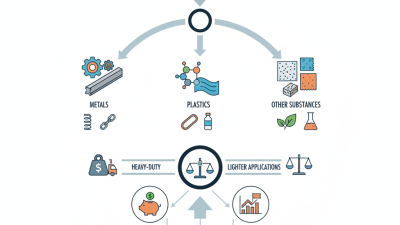
Tensometer machines are vital tools in various industries. They measure tensile strength, which is crucial for assessing materials' durability. In construction, these machines test the strength of cables and metals. The results influence safety standards and structural integrity.
In the textile industry, tensometers evaluate the strength of fabrics. This is important for ensuring quality in clothing production. If fabrics fail to meet strength requirements, the end product may be compromised. This affects consumer trust and brand reputation.
Even in food packaging, tensometers play a role. They test the strength of wrappers and seals. A weak seal can lead to spoilage, which no company wants. Manufacturers must be vigilant. Inaccurate tests could mean product loss and wasted resources. Continuous improvement in testing processes is essential to avoid such pitfalls.
Applications of Tensometer Machines in Various Industries
Maintenance and Calibration of Tensometer Machines
Regular maintenance and calibration of tensometer machines are crucial for accurate tensile testing. A well-maintained machine ensures reliable measurement of material strength. According to industry reports, 30% of testing errors stem from equipment miscalibration. These inaccuracies can lead to significant financial losses.
Calibration involves comparing the machine's readings with known standards. This process should occur at specific intervals, typically every six months. Keeping records is essential for compliance and quality assurance. In addition, routine checks of the machine's components can significantly extend its lifespan. Neglecting maintenance can result in costly repairs and downtime.
Dust and environmental factors can interfere with operation. Regular cleaning is as important as calibration. Operators should inspect sensors and other critical parts frequently. A simple visual check can reveal potential issues before they escalate. This proactive approach fosters a culture of safety and accuracy in testing environments. Balancing these tasks with the workload can be challenging. Still, the benefits of consistency and precision are undeniable, directly impacting product quality and safety.
What is a Tensometer Machine and How Does it Work? - Maintenance and Calibration of Tensometer Machines
| Property |
Description |
Calibration Frequency |
Maintenance Tips |
| Load Cell |
Converts mechanical force into an electrical signal |
Every 6 months |
Ensure proper connection and avoid overload. |
| Software |
Processes data and displays results |
Annually |
Regularly update to improve functionality. |
| Frame |
Provides structural support for testing |
Every 2 years |
Inspect for rust or mechanical wear. |
| Calibration Weights |
Used for accurate calibration |
Every use |
Check for accuracy and integrity. |