What is a Spring Testing Machine and How Does it Work?
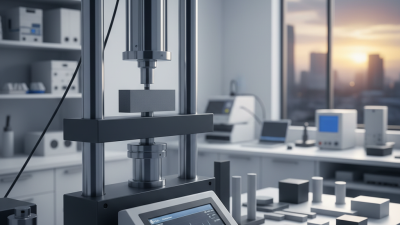
A spring testing machine is essential in various industries. These machines measure the mechanical properties of springs, ensuring they meet quality standards. Dr. John Smith, a leading expert in materials testing, states, “Accurate testing is crucial for reliability in spring applications.”
Understanding how a spring testing machine operates can be complex. Simple designs exist, yet many have advanced features. These machines apply controlled forces to springs to evaluate their strength and durability. They provide valuable data, such as load capacity and elasticity.
Despite the technology, not all testing machines deliver reliable results. Calibration issues and operator errors can occur. It’s vital to reflect on these factors. Quality assurance relies on consistent performance from spring testing machines. In the end, investing in precision tools pays off for manufacturers seeking to enhance product reliability.
Definition and Purpose of a Spring Testing Machine
A spring testing machine is a vital tool in material science. It mainly assesses the quality and performance of springs. Engineers use it to test tensile strength, compression, and fatigue. This ensures that springs meet industry standards.
The purpose of a spring testing machine is to provide accurate data. It measures how much force a spring can endure. Instead of relying on guesswork, engineers can make informed decisions. A spring's performance impacts various applications, from automotive to aerospace. If a spring fails during use, it can lead to serious issues. Therefore, testing is crucial.
In practice, the machine applies controlled forces. It evaluates the spring's reaction under different conditions. Some tests reveal weaknesses not apparent through visual inspection. Mistakes in assessing springs could result in costly recalls. Continuous improvement in testing methods is necessary. This fosters reliability and innovation in the industry.
Key Components of a Spring Testing Machine
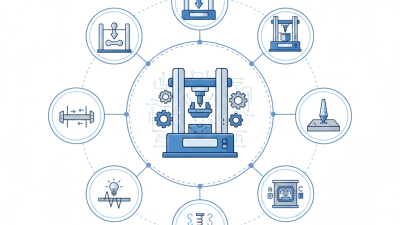
A spring testing machine is crucial for measuring the properties of springs. It evaluates parameters like tensile strength, compression, and fatigue. This machine consists of several key components that ensure accurate testing.
One primary element is the load cell. This device measures the force exerted on the spring during testing. It converts mechanical force into an electrical signal. Ensuring the load cell is calibrated properly is vital. A small error can lead to misleading results.
Another essential component is the actuator. The actuator applies force to the spring. This can be done through various mechanisms, such as pneumatic or hydraulic systems. The choice of actuator impacts precision. An unsuitable actuator may produce inconsistent readings, leading to poor quality control.
Tips: Always check the calibration of your machine regularly. This can significantly enhance accuracy. Also, inspect all components for wear and tear. Consistent maintenance is key to longevity.
Performance Data of Spring Testing Machines
This chart displays the performance metrics of spring testing machines based on the testing results of different spring types. It includes the maximum load (N) and elongation (mm) measurements for compression and extension tests.
Operating Principles of Spring Testing Machines
Spring testing machines are designed to measure the force exerted by springs. They operate based on simple mechanical principles. A spring is compressed or extended, and the machine records the force required for each action. This data is crucial for understanding a spring's behavior in various applications.
When using a spring testing machine, operators should ensure proper calibration. Inaccurate measurements can lead to flawed data. A small error can have significant consequences. Operators often overlook this step, resulting in unreliable test results.
Tips: Always check calibration before use. Regular maintenance can prevent issues.
Another important aspect is the speed of testing. Faster tests may yield quicker results, but they can compromise accuracy. It is essential to find a balance between speed and precision.
Tips: Perform tests at different speeds. Observe how results vary. Adjust accordingly for optimal accuracy.
Effective use of spring testing machines requires attention to detail. Mistakes can happen, especially under tight deadlines. Taking the time to review procedures can improve the outcome.
Applications in Industry and Quality Control
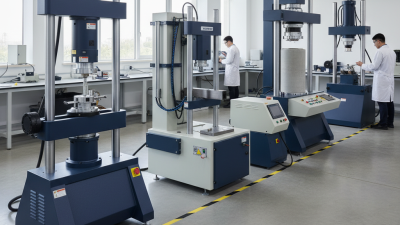
Spring testing machines play a critical role in various industries. They evaluate the strength and resilience of springs. Proper testing ensures products meet safety and performance standards. In quality control, these machines help identify flaws early in the manufacturing process. Defects can compromise a spring's functionality. This could lead to catastrophic failures in applications like automotive or aerospace.
In industries, the applications of spring testing machines are diverse. They are employed in automotive, electronics, and medical devices. In these sectors, high-quality springs are essential for reliable performance. Each industry has unique requirements. For instance, automotive springs must endure harsh conditions. Neglecting these tests can result in costly recalls or safety hazards. Quality control teams must act swiftly when a fault is detected. This process often reveals the need for better inspection protocols.
Despite their importance, some organizations undervalue spring testing. They may prioritize production speed over quality checks. This could lead to a higher rate of defects. It sparks discussions on balancing efficiency and quality. Reflection on this issue can drive improvements in testing practices. Reliable results from spring testing machines can enhance product longevity and customer satisfaction. This highlights the necessity of integrating these tools effectively.
Maintenance and Calibration of Spring Testing Machines
Maintenance and calibration of spring testing machines are crucial for accurate measurements. Regular checks prevent drift in performance. Daily inspections can catch issues before they escalate. Operators should note any irregular behaviors, like strange noises or inconsistent results. These signs often indicate a need for adjustment or repair.
Calibration is a detailed process. It ensures that the machine produces reliable results. This usually involves comparing the machine's output to a known standard. If discrepancies arise, technicians must recalibrate the system. Sometimes, minor adjustments are difficult to achieve. Operators need patience and a methodical approach here.
Cleaning is also vital. Dust and debris can affect readings. A simple wipe down can make a big difference. However, thorough cleaning often gets overlooked. Users tend to focus on larger issues. Ignoring routine maintenance tasks can lead to larger failures down the line. Regularly scheduled maintenance should not be neglected. Small actions can prolong the life of the machine.