What is a material testing machine and how does it work?
A material testing machine is vital in various industries. It evaluates the mechanical properties of materials such as strength, elasticity, and ductility. According to a 2022 report by Market Research Future, the global material testing equipment market is expected to reach $7 billion by 2027. This growth highlights the increasing demand for quality assurance in manufacturing processes.
Experts like Dr. Emily Carter, a leader in materials science, emphasize the significance of these machines. She stated, "Material testing machines are essential for ensuring safety and reliability in product design." They provide invaluable data that drives innovation and improvement in material performance and durability.
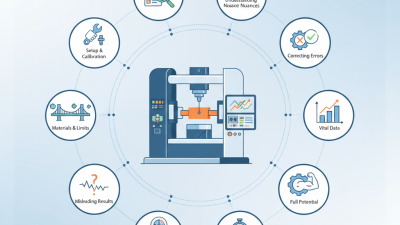
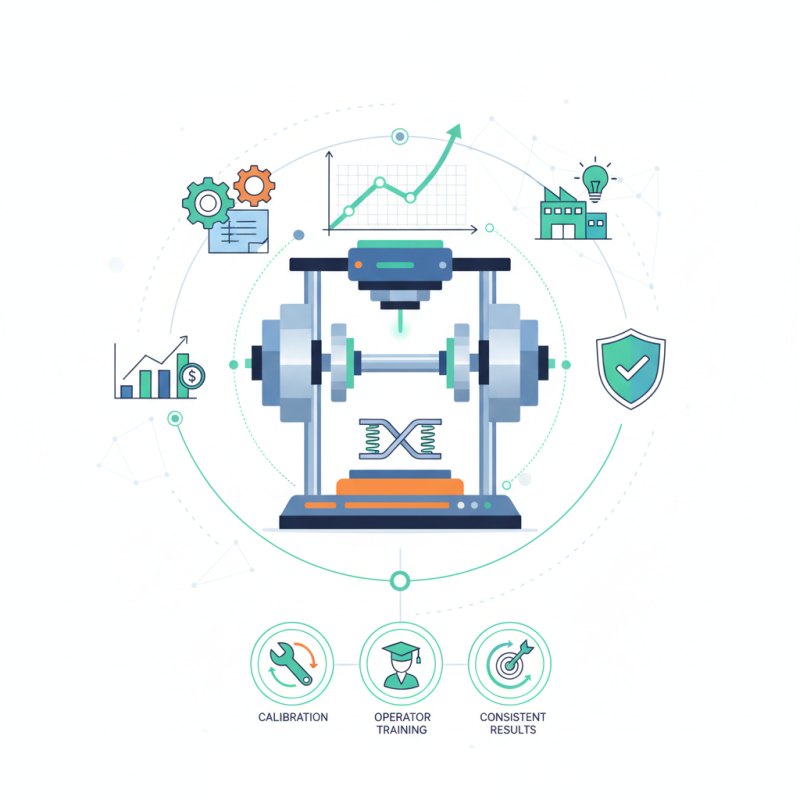
Despite these advancements, challenges remain. Not all testing machines deliver consistent results. Some may require frequent calibration to maintain accuracy. Additionally, operators often need proper training to avoid errors. Addressing these issues is critical to harnessing the full potential of material testing machines in ensuring high standards in engineering and production.
What is a Material Testing Machine?
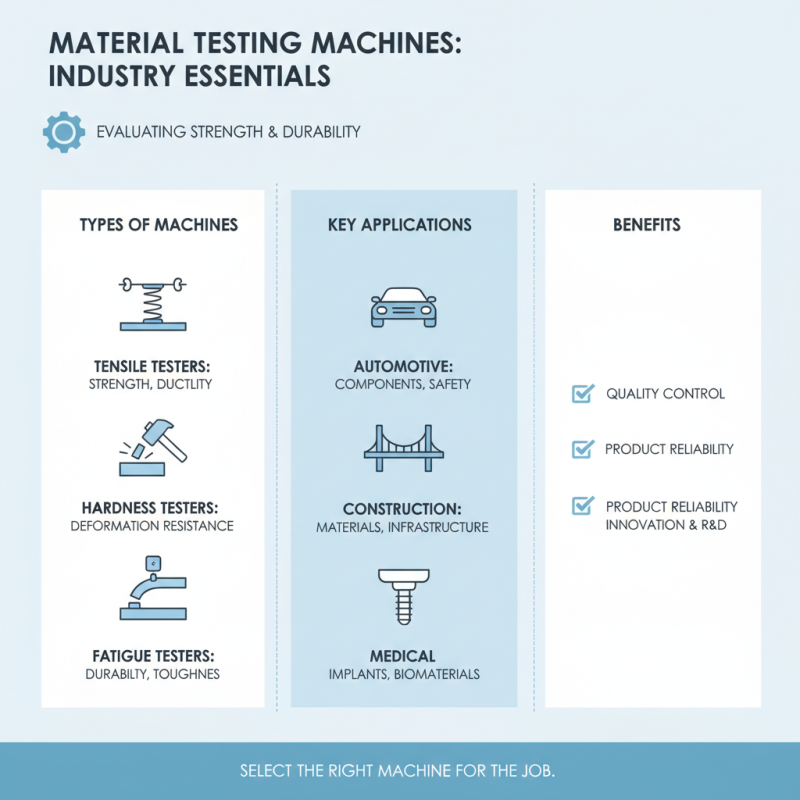
A material testing machine is essential for evaluating the properties of different materials. It helps determine strength, ductility, and fatigue limits. Engineers and scientists use these machines to test metals, polymers, and composites. Testing ensures that materials meet safety and performance standards.
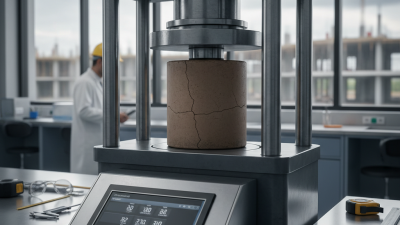
These machines often employ various methods. For instance, tensile testing measures how a material responds to stretching. Compression testing checks how materials behave under pressing forces. Each test provides valuable data, which is crucial for product development. However, results may vary based on setup or environmental conditions. This variability can lead to discrepancies that require careful analysis.
Incorporating various testing techniques is critical. Each material behaves differently under stress. Some machines can automate testing, saving time but sacrificing nuanced observations. Understanding this balance is key. Effective material testing requires attention to detail and a willingness to reflect on results.
Types of Material Testing Machines and Their Applications
Material testing machines are essential in various industries. They evaluate the properties of materials, such as strength, ductility, and toughness. Understanding their types and applications helps in selecting the right machine.
Universal testing machines (UTMs) are versatile. They can test metals, plastics, and fabrics. They measure tensile strength and elongation. However, they might lack specialized features for certain materials. For instance, a UTM might struggle with extremely brittle substances.
Hydraulic testing machines are another type. They excel in testing large components. These machines apply controlled pressure, measuring the material's response. But, they can be cumbersome. Their setup may require ample space and complex calibrations. Meanwhile, impact testing machines assess how materials endure sudden forces. They provide insights into material behavior under dynamic loads. Yet, they require precise handling. One miscalculation could lead to inaccurate results. Each machine type has strengths and weaknesses, making careful consideration necessary.
Key Components of Material Testing Machines
Material testing machines are essential tools used to determine the mechanical properties of materials. These machines provide insights into the strength, ductility, and resilience of various substances. Understanding their key components helps in selecting and utilizing them effectively.
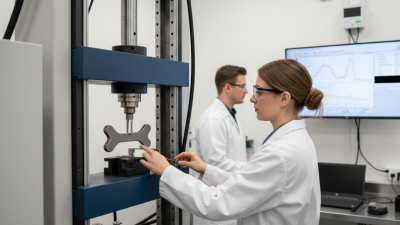
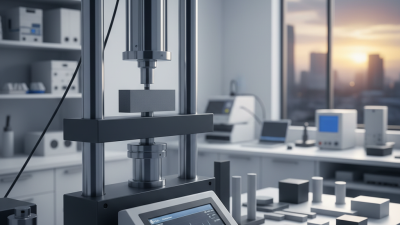
A universal testing machine (UTM) is one of the primary types. It consists of a loading frame, control panel, and measurement sensors. The loading frame applies force to the material sample. The control panel allows users to adjust settings. Sensors measure parameters like displacement and load. Often, calibration is essential for accurate results.
Tip: Regularly check calibration. Inaccurate readings can lead to flawed analyses and decisions.
Another important component is the sample grips. They hold the material securely during testing. Various grip types exist for different materials. Poor grip can cause premature failure, skewing results.
Tip: Ensure grips match the sample size. Mismatched grips affect data integrity.
Data acquisition systems are also crucial. They record and analyze the test outcomes. This aids in understanding the material behavior under different loads. A weak data collection process might overlook significant details, leading to errors in interpretation.
Tip: Use clear, concise reporting methods for results. Avoid cluttered data presentations for better comprehension.
How Material Testing Machines Operate
Material testing machines are essential tools in various industries. They evaluate the mechanical properties of materials. These machines can perform tensile, compression, and bending tests. The operation of these machines is based on precise measurements and control.
Material testing machines typically utilize hydraulic or electronic systems. These systems apply a controlled load to the material sample. During the test, the machine measures stress and strain. Data is collected in real-time. According to industry reports, 70% of material failures occur due to improper testing methods. This emphasizes the importance of reliable machinery and skilled operators.
Tips: Always calibrate your material testing machine frequently. Regular maintenance can enhance accuracy. Consider using digital readouts for precise measurements. Additionally, understand the limitations of your equipment. If a test fails, it may reveal a flaw in methodology, not just the material. Experimenting with methods can lead to better results, but avoid overly complex setups. Keep it simple and effective.
Importance of Material Testing in Engineering and Manufacturing
Material testing plays a crucial role in engineering and manufacturing processes. According to a report by the
American Society for Testing and Materials, over
75% of products fail due to inadequate testing. This reveals a significant gap in quality assurance
practices. Engineers rely heavily on material testing machines to evaluate the properties of materials. These
machines assess tensile strength, durability, and flexibility. Without proper testing,
manufacturers risk producing inferior products.
Moreover, industry standards emphasize that improper material selection can lead to catastrophic failures. The
National Institute of Standards and Technology indicates that failed
materials can result in losses exceeding $60 billion annually in the U.S. alone. Many manufacturers
still encounter issues with failing components, bringing into question their testing protocols. Improvements
can be made by increasing the frequency of testing and using more advanced machines.
Engineers must focus on testing critical materials under realistic conditions. Yet, many still utilize outdated
methods that may not reflect actual performance. As technologies advance, there is a pressing need to adapt
testing procedures accordingly. It is crucial for businesses to prioritize effective material testing.
This could minimize risks and enhance product quality. Better testing can lead to safer, more reliable materials
in the long run.