10 Essential Tips for Using a Tensile Testing Machine Effectively
The effective use of a tensile testing machine is critical in various industries, from aerospace to construction. According to the latest report by Market Research Future, the tensile testing machine market is projected to grow by 6% annually, emphasizing its significance in quality assurance processes. An industry expert, Dr. Emily Carter, stated, “Proper techniques in using a tensile testing machine can significantly improve material testing results.”
Improper use of these machines can lead to inaccuracies. Many professionals overlook calibration, affecting outcomes. Understanding the correct setup and maintenance is essential. The machine's accuracy relies heavily on user practices and environment conditions. For instance, temperature and humidity can influence material behavior during testing.
Industries are increasingly dependent on precise tensile testing for material selection and safety compliance. However, there are still common pitfalls. Some laboratories prioritize speed over accuracy, leading to flawed results. Recognizing these challenges can help improve operations and quality assurance, ensuring that the tensile testing machine serves its intended purpose effectively.Reflecting on these aspects is crucial for achieving reliable data.
Understanding the Basics of Tensile Testing Machines
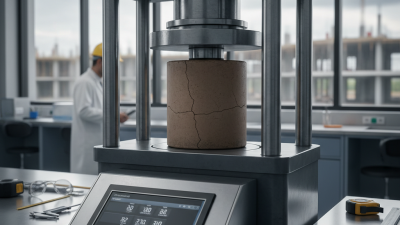
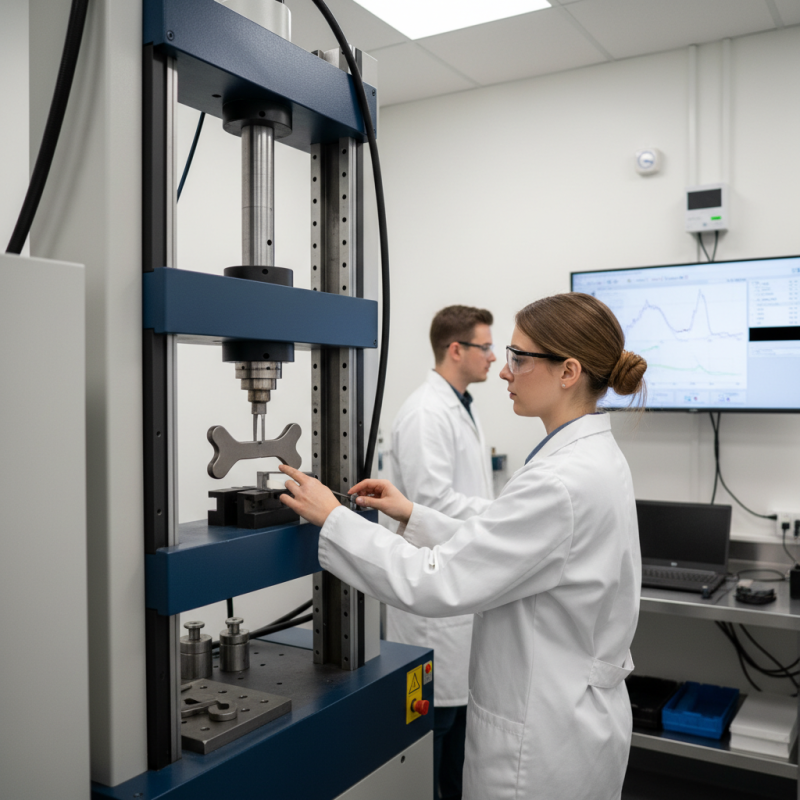
Tensile testing machines play a crucial role in materials science. They measure how materials respond to tension. Understanding their basics helps users maximize their efficiency. A tensile testing machine applies force to a sample until it breaks. The resulting data reveals the material's strength and elasticity.
When using the machine, check its calibration regularly. An uncalibrated machine can lead to inaccurate results. Proper setup is essential, including sample alignment. Misalignment can disturb the test outcome. Choose the right gripping method for the material type. Poor grip can cause premature failure or slippage.
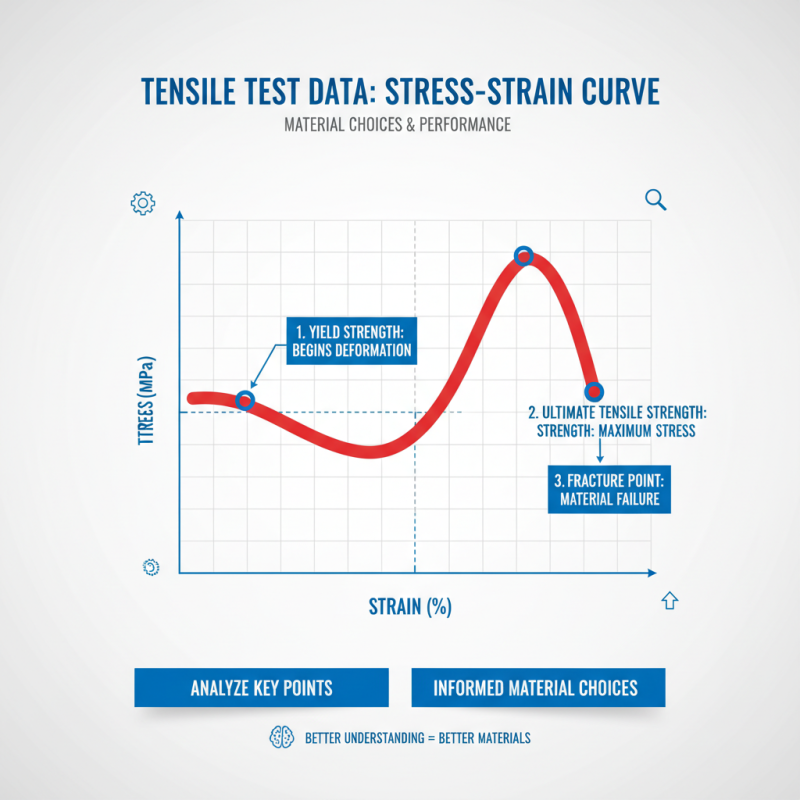
Users often overlook the importance of data interpretation. Understanding stress-strain curves is vital. These curves display a material's behavior under load. However, interpreting these curves can be challenging. A beginner might miss significant details, leading to flawed conclusions. Take time to reflect on the results, seeking patterns or anomalies. Familiarity with common material properties aids in this reflection process.
Preparing Samples for Accurate Tensile Testing Results
Preparing samples for tensile testing is crucial for obtaining accurate results. The quality of the sample directly impacts data integrity. According to industry reports, improper sample preparation can lead to variations of up to 30% in tensile strength measurements. Such discrepancies can stem from surface imperfections or inconsistent dimensions.
To ensure precise outcomes, begin with uniform sample shapes and sizes. ASTM standards recommend specific geometries for various materials. Following these guidelines can minimize errors. Pay attention to environmental factors as well. Humidity and temperature can affect sample properties, leading to inconsistent results.
Visual inspections are vital. Small flaws can alter stress distribution. A thorough visual check can help detect these issues early. However, even experienced technicians can overlook subtle imperfections. It is essential to implement routine audits of sample preparation practices. Continuous improvement in procedures will enhance testing accuracy.
Sample Preparation Techniques for Accurate Tensile Testing
Setting Up the Tensile Testing Machine Properly
Setting up a tensile testing machine is crucial for obtaining accurate results. Begin by ensuring a stable surface for the machine. An uneven floor can cause errors during testing. Check that all components are properly aligned and securely fastened. Loose parts may affect the machine's calibration.
Next, prepare the specimens. Cut them to the required dimensions, following the relevant standards closely. Ensure the edges are clean and even. Specimens that are flawed can lead to misleading data. It’s easy to overlook this step, but it often results in frustration later. Verify that the grips are appropriate for the material being tested. Incompatible grips can damage the specimen or lead to inaccurate readings.
Finally, before starting a series of tests, run a calibration check. This is an important yet often neglected step. Take note of any discrepancies; adjust settings if needed. A miscalibrated machine can result in inconsistent data. Remember to record every detail about the setup. Documentation can help identify issues in the future and improve testing protocols.
10 Essential Tips for Using a Tensile Testing Machine Effectively
| Tip Number |
Tip Description |
Importance Level |
| 1 |
Calibrate the machine regularly to ensure accurate results. |
High |
| 2 |
Select appropriate grips to secure the specimen properly. |
High |
| 3 |
Set proper testing speed in accordance with material type. |
Medium |
| 4 |
Ensure the specimen is free of defects before testing. |
High |
| 5 |
Perform tests at ambient temperature unless specified otherwise. |
Medium |
| 6 |
Use a standard protocol for material testing to maintain consistency. |
High |
| 7 |
Document all findings thoroughly for future reference. |
Medium |
| 8 |
Train personnel on machine operation and safety protocols. |
High |
| 9 |
Regularly review test parameters to incorporate the latest standards. |
Medium |
| 10 |
Ensure data analysis is performed using calibrated software. |
High |
Maintaining and Calibrating Your Tensile Testing Equipment
Maintaining and calibrating your tensile testing machine is crucial for accurate results. Regular maintenance helps identify wear and tear that could affect performance. Inspect the machine for any loose parts or unusual noises before each use. Clean the grips and testing area to prevent contamination. This simple step can prevent damage and ensure data reliability.
Calibration is equally important. It ensures that the machine provides precise measurements. Schedule routine calibration checks according to the manufacturer's guidelines. However, not all labs prioritize this. Some may underestimate its importance. This could lead to erroneous test results and misguided conclusions. Be vigilant; small errors can compound over time and go unnoticed.
Furthermore, keep a detailed maintenance log. Record any adjustments or repairs made. This habit not only helps in tracking performance but also aids in identifying recurring issues. Engaging the team in this process can promote awareness and accountability. Encourage everyone to share observations. This can lead to improvements that enhance testing reliability and overall efficiency.