What is a Cof Testing Machine and How Does it Work?
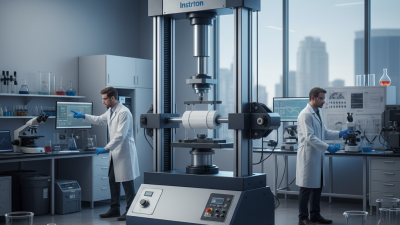
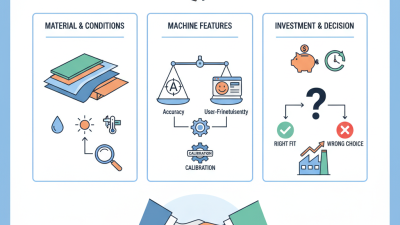
In today's industrial landscape, understanding material properties is crucial. The cof testing machine plays a vital role in assessing the coefficient of friction of various materials. This machine is essential in many applications, from packaging to automotive components.
Operating the cof testing machine involves measuring the resistance between surfaces during movement. Accurate measurements can enhance product performance and safety. However, improper usage or calibration can lead to misleading results. Awareness about these pitfalls is necessary for reliable testing outcomes.
Investing in a high-quality cof testing machine can provide significant benefits. Nonetheless, recognizing its limitations and potential inaccuracies is equally important. Ensuring consistent testing conditions and methods is key for obtaining valid data and evading costly errors. By understanding both its strengths and weaknesses, manufacturers can make informed decisions for their products.
What is a Cof Testing Machine and Its Purpose in Industry?
Cof testing machines, or coefficient of friction testers, play a crucial role in various industries, including packaging, automotive, and manufacturing. Their primary purpose is to measure the frictional properties of materials. A precise understanding of these properties is essential for ensuring the safety and efficiency of products, especially those that involve sliding or contact surfaces.
According to a 2021 industry report, friction can significantly affect the longevity and performance of materials. For example, a high coefficient of friction in packaging can lead to tearing, while a low coefficient may cause slipping. The right tuning of friction is not merely a choice; it’s an operational necessity. Many companies report losses when friction levels are not tested adequately. This highlights the need for reliable machines in these assessments.
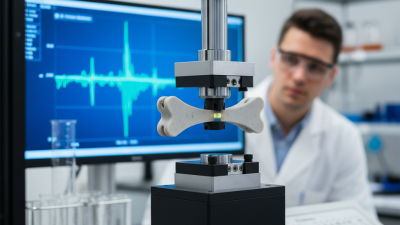
Cof testing machines use standardized methods to measure static and kinetic friction. They apply a known force to a material and record the resistance encountered. Some sophisticated models generate detailed reports on friction characteristics. Yet, a challenge remains: there’s variation in how different materials perform under varied conditions. This variability can skew test results. So, regular calibration and method validation of the machines are essential.
Key Components and Features of a Cof Testing Machine Explained
A COF (Coefficient of Friction) testing machine is essential in assessing the frictional properties of materials. Accurate measurement is critical for various industries, including packaging and manufacturing. This device ensures proper adhesion and slip rates, impacting product quality.
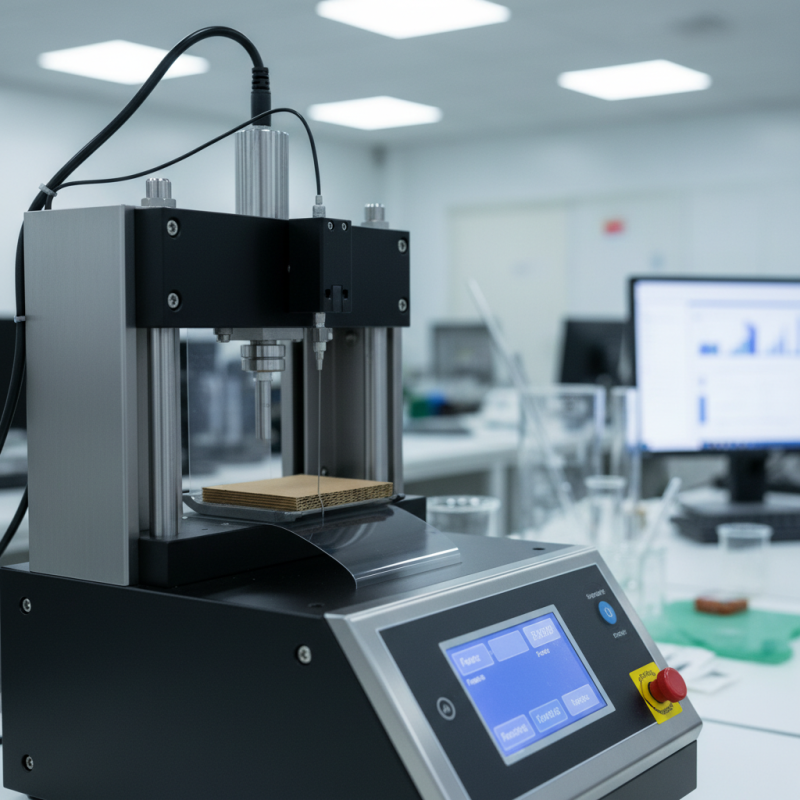
Key components of a COF testing machine include the testing platform, load cells, and the sample holder. The platform typically has a smooth surface where the material is tested. Load cells measure the force applied to the sample. This component is vital as data accuracy relies on its precision. According to industry reports, a variance of just 1% in friction measurement can lead to product failures, costing thousands in losses.
The features of a COF machine often include programmable test parameters and real-time data output. Some models have software integration that allows easy data analysis. In terms of standards, ASTM D1894 and ISO 8295 are crucial in ensuring consistency and reliability of results. However, not every machine meets these standards. Users should carefully verify calibration and certifications. Without this step, the results may mislead product development and quality control efforts.
What is a Cof Testing Machine and How Does it Work?
| Component |
Description |
Function |
| Load Cell |
A device that converts force into an electric signal. |
Measures the force applied during testing. |
| Control System |
An electronic system that manages the operation of the machine. |
Ensures accurate testing conditions and data collection. |
| Test Specimen Holder |
Holds the material sample being tested securely. |
Prevents movement of the specimen during testing. |
| Display Panel |
A visual interface for users to monitor test results. |
Shows real-time data and test outcomes for analysis. |
| Power Supply |
Provides electrical energy to the testing machine. |
Ensures reliable operation of all electronic components. |
Principles of Operation: How Cof Testing Machines Function
Cof testing machines are vital in quality control within various industries. They help determine the coefficient of friction of materials, which affects product performance. Understanding how these machines work can provide insights into their functionality.
The operation of a Cof testing machine relies on a simple yet effective principle. A sample material is placed on a testing platform. The machine applies a controlled force to slide a reference material across the sample. Sensors measure the force required to initiate and maintain sliding. This data helps calculate the coefficient of friction. Achieving accurate readings is essential, but environmental factors can sometimes introduce variability. Humidity and surface conditions may alter results.
Calibration is crucial for effective operation. Regular maintenance checks ensure sensors and mechanisms are functioning correctly. Operators must be trained to understand potential errors that can arise during testing. Recognizing these challenges can lead to improvements in practices and results. Testing methods must evolve alongside material advancements to remain relevant.
Industry Applications: Where Cof Testing Machines Are Used
Cof testing machines play a crucial role in various industries. Their primary application lies in the evaluation of adhesion properties of materials. This is essential in industries like packaging, textiles, and electronics. According to a report by Smithers Pira, the packaging industry alone is projected to grow to $1 trillion by 2024. With this growth, the demand for reliable adhesion testing is more pressing than ever.
In the automotive sector, these machines ensure that coatings and adhesives can withstand extreme conditions. A study by the American Society for Testing and Materials indicated that 45% of product failures in vehicles result from adhesion issues. Thus, companies must invest in effective testing. Manufacturers also use Cof testing in construction materials to verify their reliability. A construction materials report highlighted that adhesive failure can lead to significant structural safety risks, causing delays and financial losses.
Cof testing machines are vital, but they can also have limitations. Results may vary based on environmental conditions and material properties. It’s essential to regularly calibrate these machines for accuracy. Industries must approach the use of Cof testing machines with a continuous improvement mindset. Validating testing procedures can lead to better product performance and customer satisfaction.
Cof Testing Machine Usage in Various Industries
The bar chart above illustrates the usage percentage of Cof Testing Machines across different industries. Packaging leads with 35%, followed by Automotive at 25%. Textiles, Electronics, and Construction utilize these machines at lower rates, showcasing the specific applications of Cof testing technology.
Key Performance Metrics and Calibration Standards for Cof Testing Machines
Cof testing machines play a crucial role in various industries. They measure the coefficient of friction in materials. Accurate testing ensures material performance meets industry standards. Key performance metrics include static and dynamic friction coefficients. These metrics are vital for material selection.
Calibration standards are essential for reliable results. According to industry reports, frequent calibration is recommended to maintain accuracy. Some standards involve using certified reference materials. These materials help ensure consistency in testing processes. Deviations from calibration can lead to unreliable data.
Operating conditions also influence test outcomes. Temperature and surface conditions must be controlled. Studies show that even minor changes can impact test results significantly. It is important to regularly review testing protocols. Continuous improvement leads to better reliability and enhanced safety.