How to Choose the Right Concrete Compression Machine for Your Needs?
Choosing the right concrete compression machine is crucial for construction projects. According to the American Society for Testing and Materials (ASTM), improper testing can lead to major structural failures. Concrete compression machines play a key role in ensuring quality standards are met.
In recent years, the concrete industry has experienced significant growth. For instance, market insights show a rise in demand for advanced testing equipment. However, selecting the right machine can be challenging. Various features, such as load capacity and software integration, should be considered.
Some machines may look advanced but lack essential functionalities. It’s vital to balance between price and performance. A high-capacity concrete compression machine may not be necessary for small projects. Therefore, understanding your specific needs is essential. Investing in the right equipment can make a difference in project quality and safety.
Factors to Consider When Choosing a Concrete Compression Machine
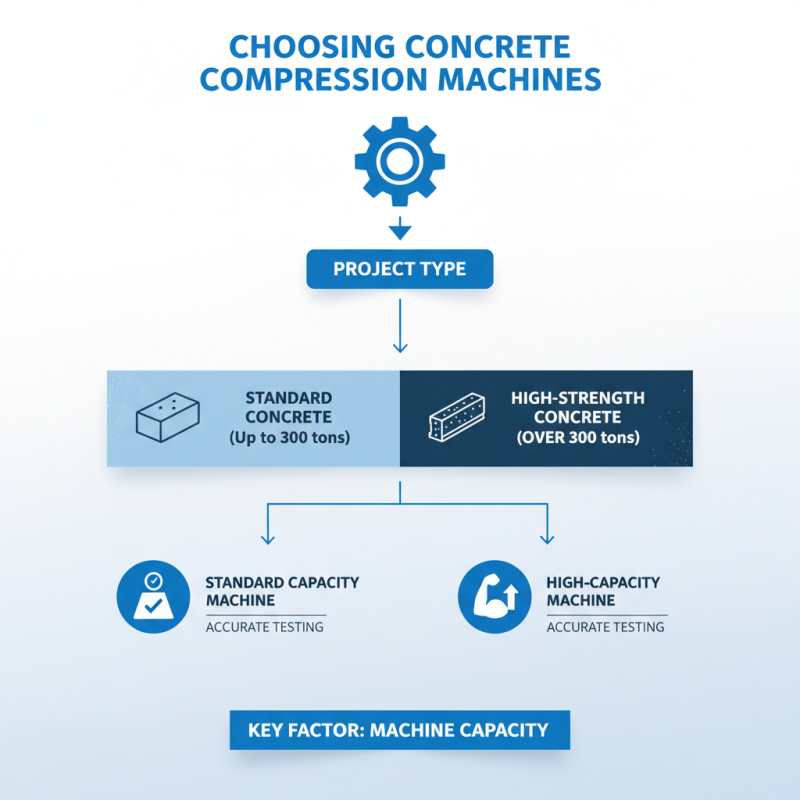
Choosing the right concrete compression machine requires careful consideration. One key factor is the machine's capacity. A typical machine can measure compressive strength up to 300 tons. If your projects involve high-strength concrete, opt for machines that provide higher capacity. This ensures accurate testing for demanding mixes.
Another important aspect is the precision of measurements. Studies indicate that machines with digital displays offer greater accuracy. They help reduce human error in data interpretation. A variance of just 5% can lead to significant discrepancies in project assessment.
Don't overlook the ease of operation. Machines with user-friendly interfaces reduce training time. Convenience can translate into better productivity. However, having too many features may complicate usage. Balancing functionality with simplicity is key. Consider your team’s expertise when selecting a model. Limited compatibility with existing equipment can also be a drawback. Always weigh long-term needs against current capabilities.
Types of Concrete Compression Machines and Their Applications
When selecting a concrete compression machine, understanding the different types is essential. Common types include digital machines, hydraulic machines, and manual machines. Each serves specific applications within construction and material testing.
Digital concrete compression machines are widely used for precise measurements. They allow users to obtain accurate strength testing results, often preferred in labs. According to industry data, 65% of testing facilities favor digital options for their reliability and accuracy.
Hydraulic machines are powerful and suited for large-scale construction projects. They handle substantial loads, making them ideal for testing heavy materials. Manual machines, while less common today, offer budget-friendly alternatives but may lack the precision of digital options.
Tips: Consider your workload. If daily testing is required, a digital model is advisable. Think about capacity too. A machine with higher load limits will cover more applications. Reflect on your skill level as well. Manual machines may feel cumbersome without proper training. Take time to assess your needs and preferences before making a choice.
Ultimately, the right machine enhances productivity and test reliability, ensuring safety and quality in concrete applications.
Understanding Load Capacity and Testing Standards
When selecting a concrete compression machine, understanding load capacity is essential. The load capacity indicates the maximum weight the machine can test. Many machines feature capacities between 100,000 psi and 150,000 psi. This means they can handle a variety of concrete mixes.
Different testing standards apply to concrete compression testing. The most recognized standards include ASTM C39 and EN 12390. ASTM C39 is used primarily in the United States. It offers guidelines on how to conduct the tests accurately. In Europe, EN 12390 serves a similar purpose. It is vital to know these standards, as they ensure your tests are valid.
Tips: Always check for calibration certificates on machines. This guarantees precision in your results. Evaluate the machine's features beyond just load capacity. Features like ease of use can greatly enhance the testing process. Finally, consider the machine's physical dimensions. A compact unit might be necessary for smaller workspaces. Reflecting on these elements can streamline your decision-making.
How to Choose the Right Concrete Compression Machine for Your Needs?
| Model |
Load Capacity (kN) |
Testing Standards |
Weight (kg) |
Dimensions (cm) |
| Model A |
3000 |
ASTM C39 |
250 |
50 x 60 x 100 |
| Model B |
6000 |
ISO 4012 |
300 |
70 x 75 x 120 |
| Model C |
5000 |
EN 12390-3 |
280 |
65 x 60 x 110 |
| Model D |
4000 |
ASTM C469 |
310 |
75 x 70 x 130 |
Budgeting for Your Concrete Compression Machine Purchase
When budgeting for a concrete compression machine, several factors come into play. The initial cost can vary significantly. It's essential to assess your needs carefully. A heavy-duty machine may seem appealing but could exceed your budget.
Consider the long-term costs too. Maintenance and repairs can add up over time. Set aside funds for these potential expenses. A cheaper model might save money upfront but lead to higher repair bills later.
Tips for budgeting:
- Research thoroughly before making a decision. Ask for quotes from different suppliers.
- Consider financing options if an upfront purchase is too challenging.
- Don’t overlook additional features that can boost productivity. Sometimes, a slightly more expensive machine pays off quickly.
Understanding your operational needs is crucial. Identify the projects you will undertake. This helps narrow down choices that fit your budget. Always be realistic. Balancing cost with quality is key. Analyze how much you're willing to invest for performance and reliability.
Maintenance Tips for Optimal Performance of Compression Machines
Maintaining a concrete compression machine is essential for achieving optimal performance. Regular inspection is a must. Every week, check the hydraulic fluid levels and look for leaks. According to industry reports, machines operate best when they are well-lubricated. Inadequate lubrication can lead to overheating, which reduces efficiency and lifespan.
Cleaning is another key maintenance aspect. Dust and debris can accumulate in the system. A clean machine reduces wear and tear. Industry standards suggest that operators should clean components weekly. Consider investing time in removing dirt from the hydraulic cylinder. Even small particles can cause significant damage over time.
Calibration is crucial. Miscalibrated machines can produce inconsistent results. Regularly check the calibration, especially after heavy use. Studies indicate that 15% of compression testing failures are due to miscalibration. Reflect on your maintenance routines. Are you performing these checks consistently? Neglecting them can have costly repercussions, leading to inaccurate test results.