Tensile strength machines play a crucial role in material testing. They determine how much stress a material can withstand before breaking. Knowing the tensile strength helps industries choose the right materials for their projects.
Selecting the best tensile strength machine can be a challenge. Many options exist, each with unique features and functions. A good machine ensures accurate and reliable results. However, not all machines are created equal. Some may not meet industry standards or provide consistent performance.
Customers often face difficulties in making informed choices. Sometimes, users overlook essential features that matter for their specific needs. It is vital to understand machine specifications thoroughly. This article will explore the top 10 tensile strength machines on the market. Each machine will be evaluated for its strengths and weaknesses. By the end, readers will have valuable insights for their purchasing decisions.
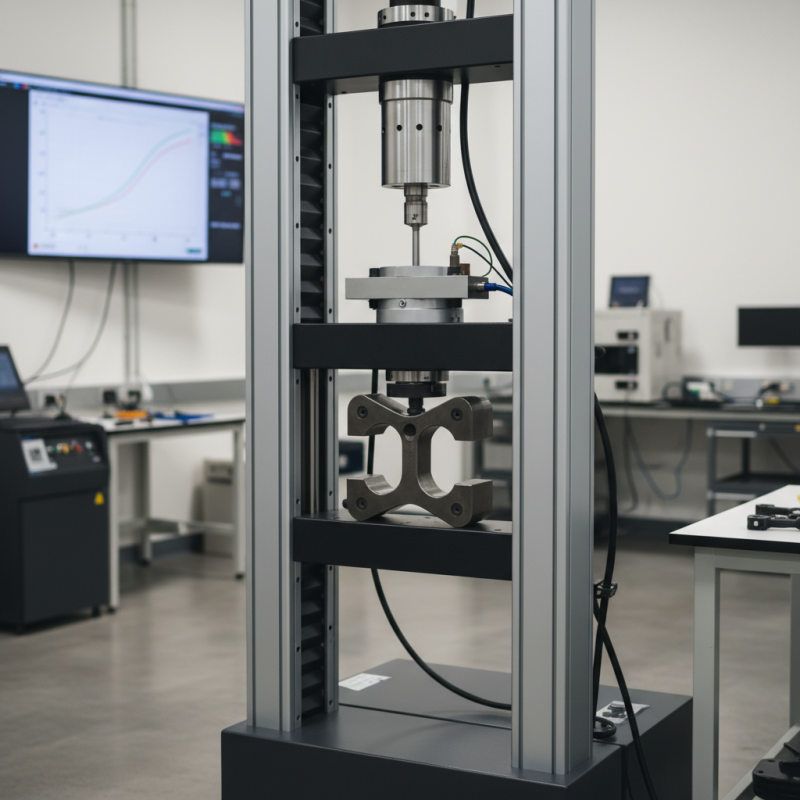
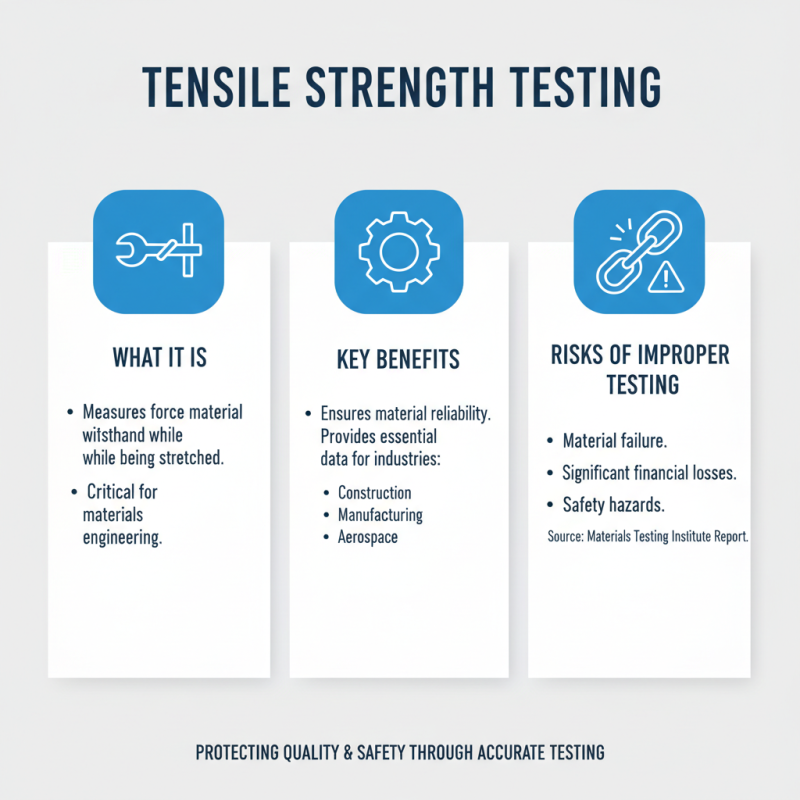
Tensile strength testing is a critical aspect of materials engineering. It measures how much force a material can withstand while being stretched. This testing process provides essential data for various industries, including construction, manufacturing, and aerospace. A report by the Materials Testing Institute indicates that improper tensile testing can lead to material failure, resulting in significant financial losses and safety hazards.
Understanding tensile strength helps engineers choose the right materials. For instance, steel used in skyscrapers needs a high tensile strength to support massive loads. According to industry guidelines, materials should pass specific tensile tests to ensure reliability. The testing involves applying force until the material breaks. The measurement reveals key properties, such as elasticity and plasticity. Yet, many companies overlook the need for precision in their testing methods. This oversight can lead to subpar products and increased liability.
Additionally, advancements in tensile testing technology have made it easier to gather accurate data. However, a lack of training in using these machines can skew results. Engineers may get results that do not reflect material behavior under real-life conditions. Thus, ongoing education about testing procedures remains essential for accurate results. Embracing these advancements can ensure safe and durable products while minimizing risks associated with material failures.
When selecting a tensile strength machine, it's essential to focus on key features that assure accuracy and reliability. One crucial aspect is the machine's load capacity. The American Society for Testing and Materials (ASTM) provides guidelines stating that machines must have a capacity that exceeds the maximum load to ensure reliability. Many machines calibrate to handle loads from a few hundred pounds to several tons, depending on your needs.
Another important feature is the data acquisition system. A report by the International Journal of Advanced Manufacturing Technology highlights that an efficient system should capture data at a high sampling rate. This ensures that even the most subtle changes during a test are documented. Ideally, the machine should also support software that analyzes and visualizes the data, making results more comprehensible.
Testing speed is another factor. Machines that operate too slowly might compromise the integrity of the material being tested. On the other hand, extremely fast machines can introduce errors. It's a balance that requires reflection on your specific testing environment. Furthermore, asking for user reviews can reveal aspects not covered in specifications. The right machine should blend speed, capacity, and data systems for optimal results.
This bar chart illustrates the maximum tensile strength capacity (in MPa) of various tensile strength testing machines. Each machine is represented by a corresponding bar, showcasing their capabilities and helping users make informed decisions.
Accurate tensile strength testing is essential in materials science. This process helps determine how materials react under tension. Reports indicate that improper testing can lead to costly failures. Inaccurate data may result in structural weaknesses. For instance, a study revealed that 30% of material failures resulted from inadequate testing methods.
When selecting a tensile strength machine, consider key features. A machine should offer precise measurements and user-friendly interfaces. Advanced models provide real-time data monitoring. Research shows that machines equipped with digital sensors can improve accuracy by 20%. Proper calibration also plays a critical role. A miscalibrated device can skew results, leading to misinformed decisions.
In the industry, the choice of materials influences tensile strength. Different materials behave uniquely under stress. A machine that accommodates various samples can enhance versatility. However, not all machines excel in this area. Some models struggle with complex materials, reflecting a gap in performance. Careful reviews are necessary to identify these shortcomings. A thorough analysis can lead to better choices in equipment.
| Machine Type | Max Load (kN) | Accuracy (% F.S.) | Test Speed (mm/min) | Weight (kg) |
|---|---|---|---|---|
| Electromechanical | 100 | ±0.5 | 100 | 250 |
| Hydraulic | 200 | ±1.0 | 50 | 300 |
| Digital | 50 | ±0.2 | 200 | 150 |
| Mechanical | 75 | ±1.5 | 150 | 200 |
| Servo-driven | 150 | ±0.3 | 120 | 280 |
| Uni-axial | 100 | ±0.5 | 80 | 220 |
| Multi-functional | 300 | ±0.2 | 60 | 350 |
| Tensile-compressive | 400 | ±1.0 | 70 | 500 |
| Universal | 250 | ±0.1 | 90 | 400 |
| Portable | 30 | ±2.0 | 500 | 50 |
When choosing tensile strength machines, understanding pricing is crucial. Different models cater to varying budgets. High-end machines often offer advanced features and precision. However, they may be inaccessible for smaller labs. The trick lies in finding a balance between quality and cost.
Budget options exist, but they often come with trade-offs. Cheaper machines may lack accuracy or durability. It's essential to research user reviews and feedback. Some machines perform admirably in controlled tests but falter under real-world conditions. Users need to weigh these factors carefully.
In the quest for the right machine, consider long-term costs. A low initial price can lead to expensive replacements or repairs. This could overshadow initial savings. Investing in a reliable machine might save more in the end. Always aim for a comprehensive evaluation before purchasing. This careful approach can lead to a better overall experience.
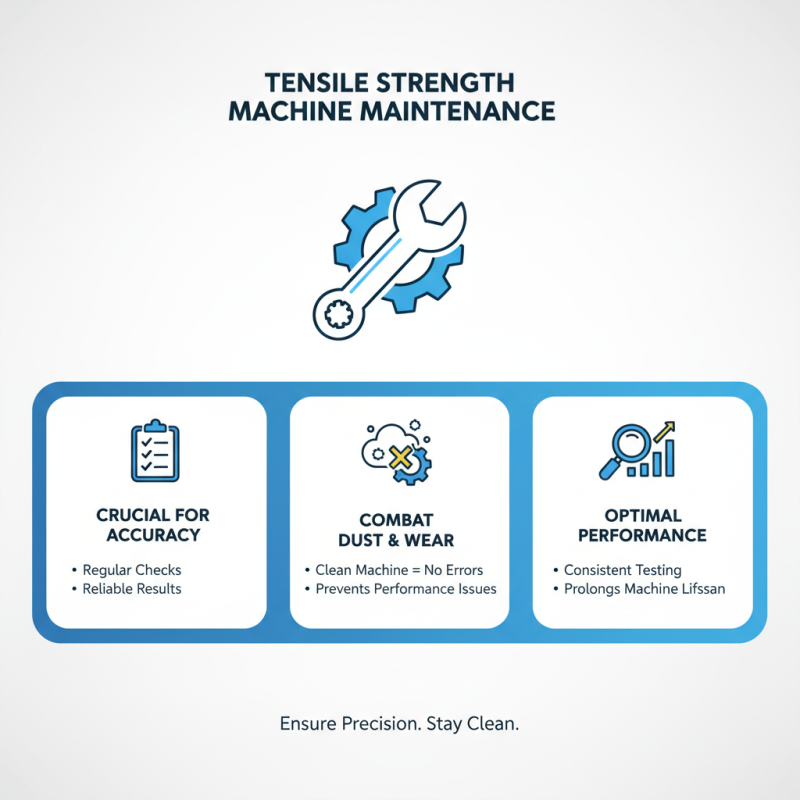
Maintenance of tensile strength machines is crucial. Regular checks help ensure accurate results. Dust and wear can affect performance. Always keep machines clean. Accumulated debris can cause errors in testing.
Calibration is equally important. It should occur periodically, based on usage frequency. Inaccurate readings can lead to significant issues. Use certified weights for testing calibration. This ensures your machine delivers reliable data.
Don't overlook the manual. Each machine has specific maintenance needs. Follow the guidelines provided by the manufacturer. Small mistakes in care can have big impacts. Make a checklist for routine checks. This habit fosters a disciplined approach to maintenance.