Top 5 Best Material Testing Machines for Accurate Results?
In the world of engineering and manufacturing, the role of a material testing machine is paramount. These machines assess the mechanical properties of materials, ensuring they meet industry standards. According to a recent report by MarketsandMarkets, the material testing equipment market is projected to reach $4.2 billion by 2025. This growth underscores the increasing need for accurate and reliable testing solutions.
Material testing machines are pivotal in determining tensile strength, compression, and fatigue properties. They provide vital data that enhances product durability and safety. However, many industries still face challenges with outdated models. Some machines lack precision and require frequent calibration, leading to inconsistencies in results.
As industries evolve, so does the technology behind material testing machines. Innovative designs are emerging, yet some manufacturers may overlook the importance of regular updates and maintenance. Investing in reliable machines is essential, but understanding their limitations is crucial for optimal performance. This article explores the top five material testing machines that offer both accuracy and efficiency for today's demanding applications.
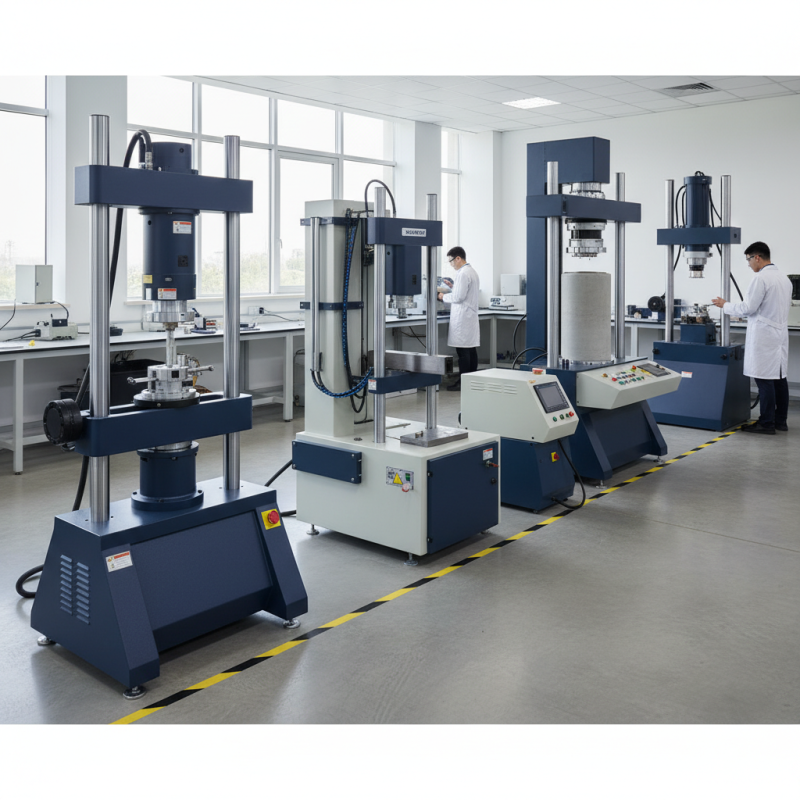
Overview of Material Testing Machines and Their Importance
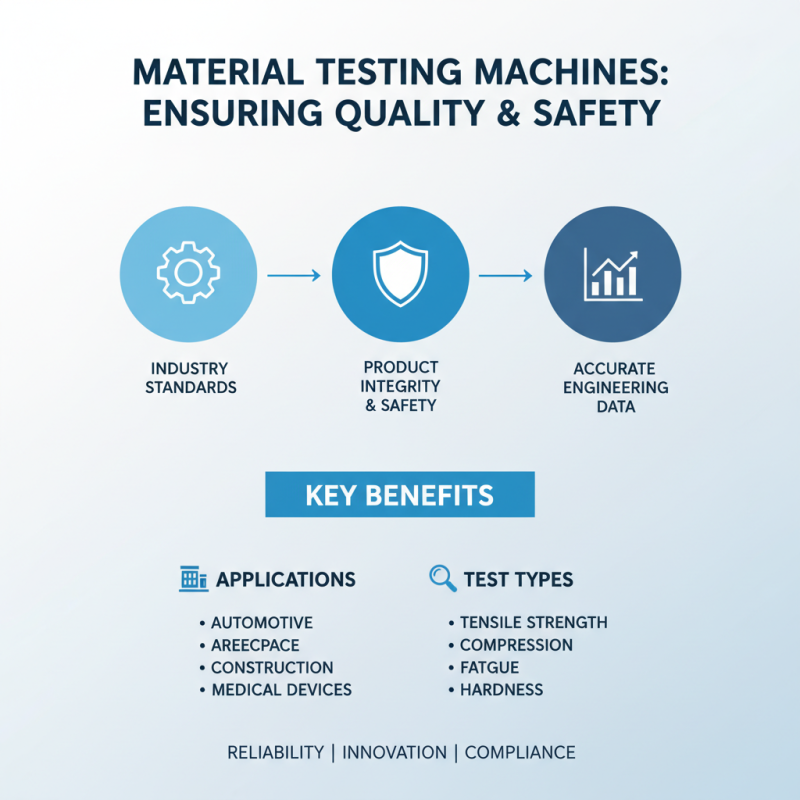
Material testing machines play a crucial role in various industries. They ensure that materials meet specific standards. Without them, product safety and integrity may be compromised. Engineers and designers rely on these machines for accurate data.
Different tests measure strength, durability, and flexibility. Each test helps predict how a material behaves under stress. For instance, tensile tests examine how a material stretches before breaking. These machines must be precise; even minor errors can lead to significant failures.
Finding the right machine is not always easy. Some may lack the necessary features for complex tests. Training operators is essential to avoid mistakes. A well-trained team maximizes the machine's capabilities. Reliable data can be the difference between success and costly errors.
Key Features to Look for in Material Testing Machines
When selecting material testing machines, several key features stand out. Accuracy is paramount. Machines must provide precise measurements for reliable results. Calibration options should be available to maintain this accuracy over time. Consistent performance ensures that data remains trustworthy, even with repeated tests.
Another important aspect is versatility. A good testing machine should evaluate various materials. It should handle metals, plastics, and composites effectively. Users appreciate machines that can adapt to different testing standards seamlessly. This adaptability saves time and increases productivity.
User-friendliness is also essential. Machines with intuitive interfaces make it easier for operators to perform tests. Training time should be minimal. However, even the best machines have drawbacks. Complex setups may lead to frustration. Regular maintenance can be a hassle, but it is necessary for accuracy. Certain machines may lack robust support. Always seek user review insights to avoid potential pitfalls.
Top 5 Best Material Testing Machines for Accurate Results
| Machine Type |
Max Load Capacity |
Test Speed |
Accuracy |
Key Features |
| Universal Testing Machine |
100 kN |
0.01 to 500 mm/min |
±0.5% |
Digital display, software integration, versatile testing options |
| Hardness Tester |
Up to 3000 HV |
Varied, typically < 5s |
±1 HV |
Portable, quick results, computer interfacing |
| Impact Tester |
50 J to 300 J |
Instantaneous |
±0.05 J |
Test pendulum design, safety features, calibration tools |
| Fatigue Tester |
200 kN |
1 Hz to 10 Hz |
±0.5% |
Programmable cycles, load variation, data logging |
| Compression Tester |
150 kN |
0.1 to 100 mm/min |
±0.2% |
User-friendly interface, compact design, quick setup |
Top 5 Material Testing Machines for Reliable Performance
When choosing material testing machines, reliability is key. Accurate measurements are critical in various industries, from construction to aerospace. According to industry reports, 72% of engineers prioritize precision when selecting testing equipment. A slight error in testing can lead to substantial financial losses and safety hazards.
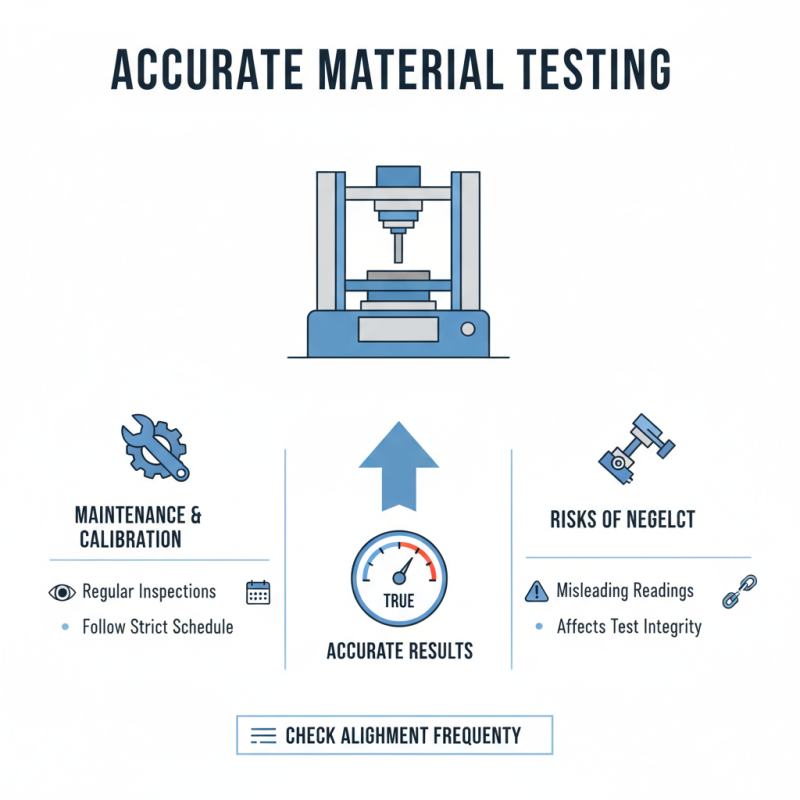
Modern machines offer advanced features for enhanced reliability. Many utilize digital interfaces, providing quick and accurate readings. The latest technology can reduce human error and streamline processes. However, some models still rely on outdated methods. This inconsistency can skew results. Regular calibration and maintenance remain crucial.
User feedback highlights the importance of ease of operation. Complicated interfaces may deter users, leading to incorrect usage. Approximately 25% of users report challenges in understanding machine settings. A well-designed machine should blend simplicity and functionality. Regular training sessions can mitigate these issues, ensuring consistent and reliable performance across the board.
Comparative Analysis of Test Results from Different Machines
When selecting material testing machines, accuracy is essential. Different machines may yield varying results. This can be attributed to design, calibration, and measurement techniques. Using multiple machines for the same test could highlight discrepancies. Some machines may be easier to use but lack precision. This trade-off is crucial for researchers and engineers.
A recent comparison of test results revealed unexpected variations. One machine consistently overestimated tensile strength. Another produced results that were too inconsistent for reliable analysis. These outcomes point to the importance of machine calibration. Regular checks are essential for maintaining accuracy. It's not just about the technology used but also how well it's managed.
Even so, there might still be surprises. Some users might find that a less advanced machine suits their needs better. Not every test requires the latest technology. Ultimately, the choice of equipment should align with specific testing goals. Keeping an open mind about results can lead to better decision-making.