Why Choose an Akron Abrasion Tester for Your Quality Control?
When it comes to quality control in material testing, the Akron Abrasion Tester stands out as a reliable choice. This device measures material wear resistance effectively. It provides critical data, essential for industries ranging from automotive to textiles. The integrity of a product depends on its durability, and understanding abrasion resistance is key.
Using the Akron Abrasion Tester ensures that manufacturers meet rigorous standards. It offers precise, repeatable results. Clients appreciate knowing their products can withstand wear and tear. This understanding helps businesses build trust with their customers. However, it's essential to regularly evaluate testing methods for improvements.
While the Akron Abrasion Tester is effective, it requires a skilled operator for accurate results. Users must consider calibration and maintenance. There is always room for improvement in testing processes. A reflective approach to quality control leads to better product outcomes and enhanced customer satisfaction.
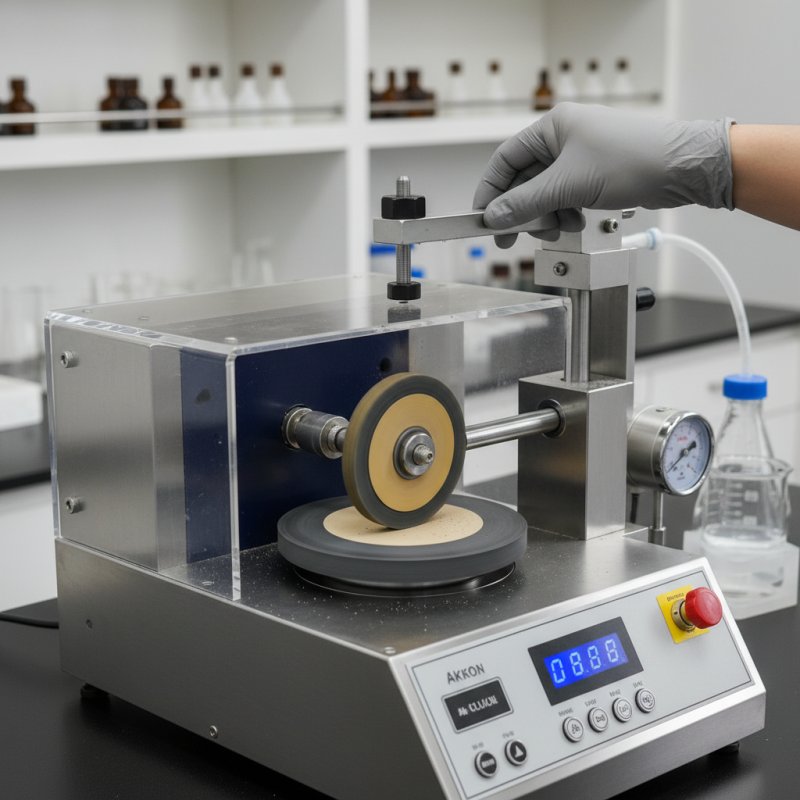
Understanding the Akron Abrasion Tester and Its Functionality
The Akron Abrasion Tester plays a crucial role in quality control for various industries. Understanding its functionality is key. This device simulates real-world wear and tear on materials. It helps identify how different substrates withstand abrasion under specified conditions. Operators can customize testing parameters, which adds to its versatility.
Using this tester involves placing a sample in the machine and subjecting it to abrasive forces. The system accurately measures wear rates and provides valuable data. This data is essential for improving product durability. However, interpreting results can be challenging. Operators must critically analyze findings to ensure meaningful insights.
Mistakes happen. Sometimes, the setup may not reflect real-world scenarios accurately. Calibration issues can lead to misleading results. Regular maintenance and understanding the machine's limits are vital for reliability. All these factors contribute to the accuracy and dependability of the Akron Abrasion Tester in quality control processes.
Key Benefits of Using Akron Abrasion Tester in Quality Control
The Akron Abrasion Tester offers significant advantages for quality control in various industries. One of its key benefits is accurate measurement of material wear resistance. According to a study from the Society of Plastics Engineers, approximately 30% of product failure rates stem from wear-related issues in materials. This highlights the importance of precise testing methods.
Durability is another factor impacted by using the Akron tester. It enables manufacturers to simulate real-world conditions and assess the long-term performance of materials. Reports indicate that businesses that implement rigorous abrasion testing see a 25% reduction in product defects. This not only enhances customer satisfaction but can also lead to cost savings.
Moreover, the Akron Abrasion Tester fosters standardization in quality control processes. Without consistent testing, comparing materials becomes challenging. By using a recognized method, companies can ensure compliance with industry standards. This consistency builds trust among clients and solidifies a manufacturer's reputation in the market. Investing in such testing equipment could be the differentiator between success and failure.
Why Choose an Akron Abrasion Tester for Your Quality Control? - Key Benefits of Using Akron Abrasion Tester in Quality Control
| Feature | Benefit | Impact on Quality Control |
| Precision Testing | Ensures accurate results for material durability | Improves product reliability and reduces returns |
| User-Friendly Interface | Easy operation for consistent testing procedures | Enhances team efficiency and reduces training time |
| Versatile Application | Applicable for various materials and industries | Broadens quality control capabilities across sectors |
| Fast Testing Cycle | Reduces time to obtain results | Accelerates product development and market entry |
| Cost-Effective Solution | Low operational costs in the long run | Increases ROI for quality control investments |
How Akron Abrasion Tester Enhances Product Durability Testing
When it comes to product durability testing, Akron Abrasion Testers play a pivotal role. These testers evaluate materials' resistance to wear, simulating real-world conditions. Research indicates that 72% of product failures are attributed to wear and tear. Using an Akron Abrasion Tester can significantly reduce these failures.
Each tester adheres to ASTM standards, creating a reliable foundation for testing. Industry reports suggest that incorporating such testing can improve product lifespan by 30%. This statistic highlights the importance of durability in product design and quality control.
However, not all testing environments are ideal. The variables involved, such as temperature and humidity, can affect results. Consistency in setting these parameters is essential for accurate data. A tester's performance can vary based on the sample material too. Without proper calibration, results may mislead manufacturers about product resilience.
Comparative Analysis: Akron Abrasion Tester vs. Other Testing Methods
When evaluating testing methods for materials, an Akron Abrasion Tester stands out among its peers. Its precision and reliable results are vital in quality control processes. Unlike other methods, the Akron tester measures wear resistance under controlled conditions. This gives a clear comparison between different materials. It ensures that the readings are consistent and repeatable. In contrast, some older methods may lack the same level of accuracy.
The Akron method adheres to modern standards, making it preferable in various industries. It highlights the wear pattern effectively, which helps in better material selection. This capability might not be present in conventional tests. Some testers provide broad results but lack detail. It’s important to understand these differences to make informed decisions.
Tips: Always calibrate your equipment before testing. Small adjustments can lead to better accuracy. Also, compare results with other methods regularly. This helps identify any discrepancies in readings. Over time, you'll gain deeper insights into the materials you test. Continuous evaluation leads to improvement and better quality control in your operations.
Best Practices for Implementing Akron Abrasion Testing in Industry
When considering quality control, Akron abrasion testing stands out as a powerful tool. The device measures wear resistance in materials, crucial for product longevity. Implementing this testing requires a clear understanding of best practices. Testing should begin with selecting appropriate materials and establishing clear objectives. Accurate calibration of the tester is vital for reliable results. Inconsistent testing conditions can lead to misleading outcomes.
Training personnel in the test's procedures is essential. Workers should know how to prepare samples and interpret results. Regular maintenance of testing equipment is also key to ensuring accuracy. It's not uncommon to overlook equipment checks, but this can skew data. Creating a checklist can help maintain focus on these details. Documentation of each test will provide valuable insights over time.
Finally, it's important to review the results critically. Patterns and anomalies in data should prompt further investigation. Relying too heavily on one method of analysis can lead to blind spots. Embracing a culture of continuous improvement can significantly enhance quality control efforts in any industry.


