Material Testing Blog

HomeMaterial Testing Blog

2026 Top Panoramic Lift Types for Global Buyers

A Panoramic Lift can turn a routine journey between floors into a view of the building’s interior or surrounding landscape. For global buyers, choosing one involves more than appearance. Traffic levels, available shaft space, climate, accessibility needs, and maintenance support all shape the right fit. A clear glass car may suit a hotel atrium, while an exterior installation may help connect floors in a renovated building. Details matter. Even the view can change with sunlight, reflections, and cleaning conditions.

This guide introduces major panoramic lift types buyers may encounter in 2026, including observation lifts, glass-walled passenger lifts, and models designed for indoor or outdoor use. It explains how their layouts, drive systems, and installation settings can differ, without treating one option as universally best. That would be too simple. Buyers should compare documented specifications, expected passenger flow, safety features, service access, and local project requirements with qualified professionals. Product names and technical limits vary by supplier, so confirm them directly rather than relying on a broad category label. A striking cabin is useful only when it also works reliably day after day. And sometimes the less dramatic design is the wiser choice.
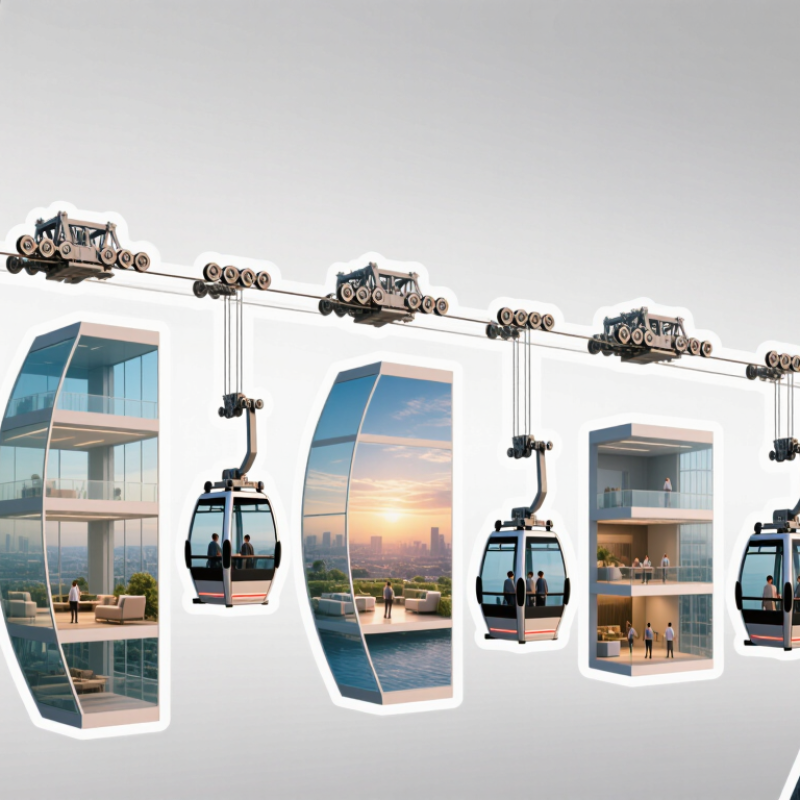
2026 Top Panoramic Lift Types for Global Buyers

What Is a Panoramic Lift and How Does It Work?

A panoramic lift is a passenger elevator with glass walls or large viewing panels. It lets riders see the surrounding space while moving between floors. Installations often appear in hotels, shopping centers, offices, and public buildings, where the lift can become part of the architecture. The view is memorable. It can also reveal fingerprints, reflections, and structural details that ordinary lift walls conceal.

Its basic operation is similar to a conventional elevator. An electric drive moves a car along guide rails inside a shaft or supporting frame. In many systems, a controller responds to a passenger’s floor selection, while sensors monitor position and door status. Brakes and other safety devices help manage movement if a fault occurs. The exact design depends on the building, lift capacity, travel height, and drive system. Glass does not make the lift self-supporting; engineers must account for the structure, loads, and vibration.

For passengers, the ride may feel more open, though some people prefer not to look down. Clear panels need regular cleaning, and strong sunlight can affect comfort or visibility. These practical details deserve attention during planning, not after installation. A panoramic lift is both transport equipment and a visible feature, so appearance should never outweigh safe operation or accessibility.

2026 Top Panoramic Lift Types for Global Buyers — What Is a Panoramic Lift and How Does It Work?

Lift Type How It Works Typical Speed Common Capacity Range Typical Applications Key Considerations
Panoramic traction lift An electric motor moves a rope- or belt-suspended car using a traction sheave and counterweight. Glass panels provide outward views from the car. About 0.5–2.5 m/s About 450–1,600 kg Hotels, shopping centres, transport hubs, and multi-storey public buildings Suitable for regular traffic and taller travel; requires a properly engineered shaft, suspension system, and safety equipment.
Machine-room-less (MRL) panoramic traction lift Uses a traction drive and counterweight, with the machinery installed within the lift shaft rather than in a separate machine room. About 0.5–2.5 m/s About 450–1,600 kg Hotels, offices, residential buildings, and sites where space is limited Can reduce the need for a separate machine room; maintenance access and shaft dimensions must be planned to the selected design.
Panoramic hydraulic lift A pump moves hydraulic fluid to a cylinder that raises the car; the car descends through controlled release of the fluid. About 0.15–0.63 m/s About 450–2,500 kg Low-rise buildings, public venues, and applications needing higher load capacity at modest travel heights Typically suited to lower-rise travel; equipment layout, energy use, fluid management, and local environmental requirements should be assessed.
Panoramic screw-driven lift An electric motor turns a screw mechanism to move the car along its travel path, usually without a counterweight. About 0.15–0.3 m/s About 250–500 kg Low-rise residential buildings and selected small commercial installations Often operates at lower speeds and capacities than traction lifts; suitability depends on travel, duty cycle, and applicable regulations.
Inclined panoramic lift The car travels on rails along a sloping route rather than vertically, using a drive and control system designed for the installation. Project-specific; commonly about 0.15–0.5 m/s Project-specific; often about 250–1,000 kg Hillside sites, sloping buildings, waterfront developments, and locations with a scenic inclined route Requires route-specific engineering, suitable rail support, weather protection where exposed, and careful assessment of access and evacuation needs.

A panoramic lift is an elevator with transparent or partially glazed surfaces designed to provide views during travel. Its drive moves the car between landings, while a control system, doors, brakes, and other safety devices manage operation. Figures shown are indicative ranges, not design specifications; actual capacity, speed, travel, and configuration depend on the project, applicable codes, and manufacturer engineering.

Which Panoramic Lift Types Are Available to Global Buyers?

Global buyers can choose panoramic lifts by drive system, building layout, and exposure to weather. Traction lifts use ropes and a counterweight, making them suitable for many mid-rise buildings. Some use a machine-room-less arrangement, which can reduce dedicated equipment space. Hydraulic models travel smoothly over shorter distances and may suit low-rise properties. Each option needs careful assessment.

The cabin design also varies. A glass-walled lift may sit inside an atrium, where passengers see several floors as they travel. An outdoor panoramic lift can attach to an existing façade, but its glazing, seals, and metalwork need suitable weather protection. Home lifts offer compact cabins for private residences, while larger passenger lifts serve hotels, offices, and public buildings. Inclined lifts are less common, but can follow a sloped route where a vertical shaft is impractical.

Capacity, travel height, door position, and local site conditions shape the final choice. Ask suppliers for rated load, speed, power needs, emergency operation details, and maintenance requirements. Request drawings that show the shaft, landing access, and structural support—not just attractive cabin images. A frequent mistake is choosing glass appearance before checking heat gain, cleaning access, and privacy. Details matter. Some trade-offs are easy to miss. A qualified lift professional can verify whether a proposed system suits the building and its users.

How Do Panoramic Lift Types Differ in Design and Performance?

Panoramic lift types differ in both what passengers see and how the car moves. A glass-walled lift inside a building can make an atrium feel open, while an exterior lift offers views across a courtyard or skyline. Curved or cylindrical designs create a striking profile, but their custom glazing and structure may require more careful planning. Looks matter. So does the shaft.

Performance depends less on the glass shape than on the drive system, travel height, and expected traffic. Traction lifts are often considered for taller buildings and frequent trips, as they can provide smooth, efficient movement. Hydraulic systems may suit lower-rise installations, though operating conditions and energy use should be assessed for the specific site. A machine-room-less arrangement can save dedicated plant space, but it still needs accessible service points. No layout is maintenance-free.

Glass brings daylight and visibility, yet it can also increase glare and heat gain, especially on sun-facing façades. Clear coatings, ventilation, and shading need to be discussed early with the design team. In a busy hotel, door speed and passenger capacity may matter more than a dramatic curved wall. In a quiet gallery, the view may carry greater weight. I have seen design discussions focus heavily on appearance; sometimes the practical details arrive too late. A good comparison considers the building, users, climate, and maintenance access together.

What Factors Should Buyers Consider When Choosing a Panoramic Lift?

A panoramic lift is more than a glass cabin with a view. Buyers should start with the building itself: available shaft space, floor-to-floor heights, entrance locations, and expected passenger flow. Measure carefully. A narrow entrance can frustrate daily use, even when the cabin looks spacious in a rendering. Ask a qualified lift consultant to review drawings and site conditions before fixing the layout.

Safety, accessibility, and reliability deserve equal attention. Check that the proposed lift includes appropriate protective features, clear emergency communication, and access for passengers with limited mobility. Glazing should suit the site’s climate and exposure to direct sunlight; a bright atrium can become uncomfortably warm. Ask how maintenance access works and what routine inspections involve. Small details matter.

Then compare drive systems, rated capacity, travel speed, energy use, and noise. A lift serving a quiet hotel lobby may need different performance from one in a busy shopping centre. Request technical specifications and realistic operating estimates, not just attractive images. Also consider cleaning: fingerprints and dust show quickly on glass. I would leave room in the schedule for design changes; real sites rarely match drawings perfectly. Check local requirements with qualified professionals, since conditions vary by location.

What Safety and Installation Requirements Apply to Panoramic Lifts?

Safety and installation requirements begin with a site-specific assessment. A panoramic lift has glass panels, exposed sightlines, and often a distinctive shaft, so the building structure must support its loads and vibration. Engineers should check floor capacity, anchoring points, overhead clearance, and the route for electrical services before equipment arrives.

Measure twice.

Even a small mismatch at a landing can delay installation.

Glass specification matters. The panels must suit the lift’s operating conditions and be installed without stressing their edges. A qualified installer should verify clearances, door interlocks, emergency communication, braking systems, and controlled access to the shaft.

Keep work areas protected; dust or a dropped tool can damage finished glass. Commissioning should include documented tests and a practical handover, not just a brief ride.

Requirements differ by building type and location, so buyers should confirm applicable local codes and inspection procedures with qualified professionals. Ask for drawings, load data, maintenance access details, and a clear installation schedule.

Also consider how technicians will reach components after the lobby is open. That question is easy to overlook.

A beautiful enclosure is less useful if routine inspection becomes awkward or unsafe. Good planning helps, though site conditions can still force revisions.

Go to Top